Acid etching is a technique of decorating glass, and sometimes metal, by exposing selected areas of the surface to acid, which eats into the material to create a design. For glass, hydrofluoric acid is used; areas to be protected are covered with a resist such as wax or varnish, and the exposed surface is either frosted or cut away to a chosen depth.
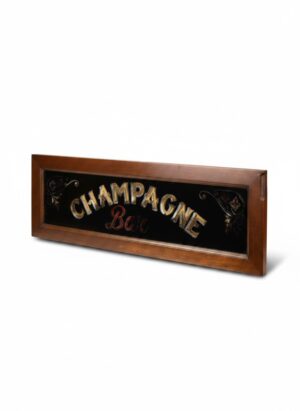
The technique became commercially important in the nineteenth century, when it allowed manufacturers to produce intricate decoration more quickly and cheaply than wheel engraving or hand cutting. Acid etching was used for frosted lamp shades, decorative window panels, public house glass, tumblers and stemware, and it played a key part in cameo glass by Thomas Webb and the French Art Nouveau makers Galle and Daum, where layers of coloured glass were etched back to reveal pattern. In metalwork, acid etching was used on arms, armour and printing plates. Collectors judge etched glass by the crispness of the design, the evenness of the frosting and the absence of chips or scratches. Etched gas and oil lamp shades are popular in period lighting restoration, and original shades in good condition are increasingly scarce.