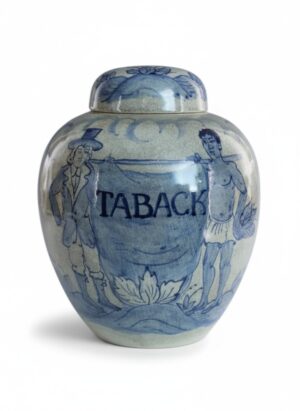
Chasing is a technique for decorating or finishing metal by working the front surface with hammers and small blunt punches, called tracers and matting tools, to push the metal into patterns and textures. Unlike engraving, which cuts away metal, chasing displaces it without removing any material.
Chasing is used in two main ways. In silver and other sheet metalwork it creates surface decoration, often in combination with repoussé, in which the design is first raised from the back and then refined from the front. Flat chasing, a low-relief linear decoration, was popular on English silver in the late seventeenth and eighteenth centuries. Chasing is also used to finish castings, sharpening the detail of bronze, gilt bronze and brass objects after they leave the mould; the finest French gilt bronzes owe their crispness to skilled chasers. Victorian silversmiths frequently added chased decoration to plain Georgian pieces, and such later chasing generally reduces value, as collectors prefer original decoration. Telltale signs include ornament that looks stylistically inconsistent with the date of the hallmarks, or patterns that disturb the marks themselves. On the best work, chasing has fluent, confident lines and a lively surface texture that catches the light.