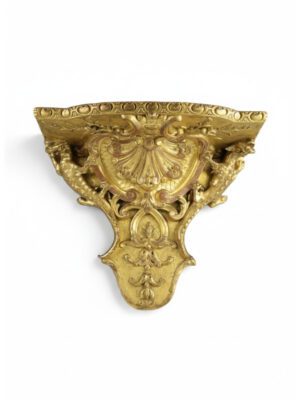
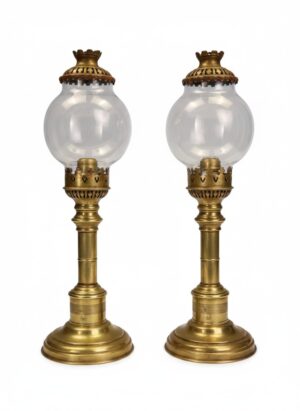
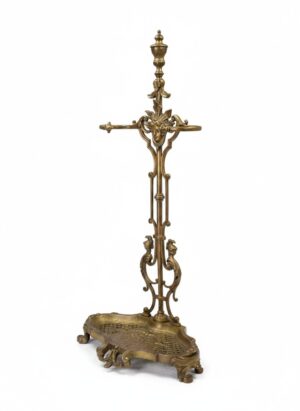
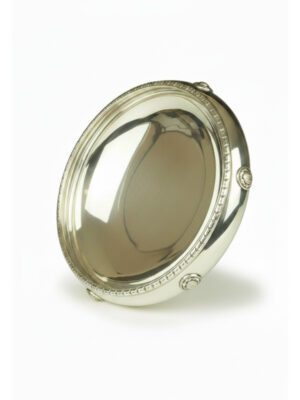
Collection management is the organised care, recording and administration of a collection of objects, whether held by a museum, a country house or a private individual. It covers cataloguing, photography, documentation of provenance, condition monitoring, storage, display, insurance, loans and the movement of objects.
Good practice developed largely in museums, where standards for documentation and preventive conservation are now well established, but the same principles apply to private collections. Each object should have an inventory number and a record describing it, its dimensions, marks, condition, purchase details, provenance and any restoration, supported by clear photographs. Receipts, letters, old labels and auction catalogues should be kept safely, as they can add both historical interest and value. Regular valuations for insurance, a record of where objects are located, and checks for pests, damp, light damage and fluctuating humidity are all part of responsible care. Many collectors now use specialist inventory software or databases to organise this information. Well-managed collections are easier to insure, research, lend, sell or pass on, and thorough records can be decisive in establishing authenticity and title when a piece eventually comes to market.