

















Colonial is a broad term for the furniture, architecture and decorative arts made in, or inspired by, the overseas colonies of European powers from the seventeenth to the early twentieth century. Its meaning varies by context: in America it usually describes work made before independence in 1776, while in British usage it more often refers to furniture made in India, Ceylon, the East Indies, Southern Africa, Australia and the Caribbean.
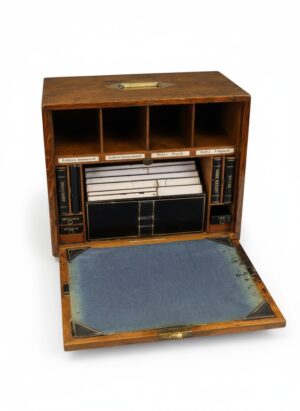
Colonial furniture typically combines European forms, taken from pattern books and imported pieces, with local timbers and craftsmanship. Anglo-Indian furniture made in padouk, teak, rosewood and ebony, Dutch colonial pieces from the East Indies and the Cape, Ceylonese furniture with fine carving or inlay and Australian furniture in red cedar each have their own distinct character. Campaign furniture, made to be dismantled and carried by officers and officials, is closely associated with colonial life. Collectors value good-quality pieces made in dense, richly coloured local woods, documented histories and regional features that set them apart from European models. The term also covers the Colonial Revival of the late nineteenth and twentieth centuries in America. Today colonial furniture is admired for its robust construction and its blend of cultures, and it sits comfortably in both traditional and relaxed modern interiors.