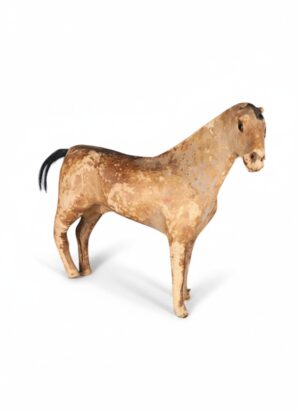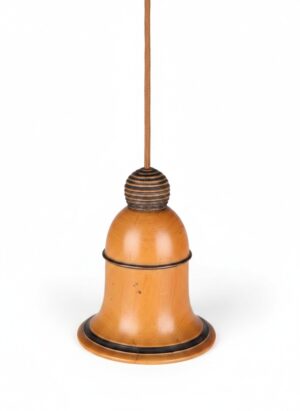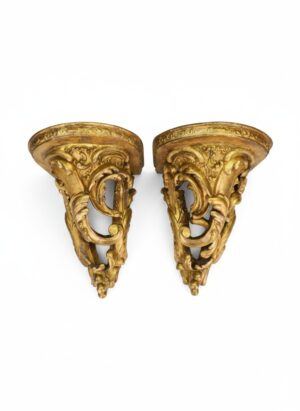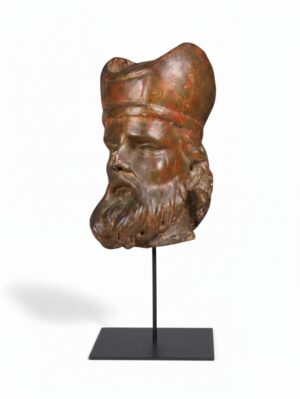
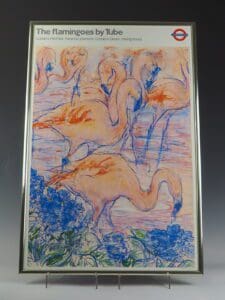

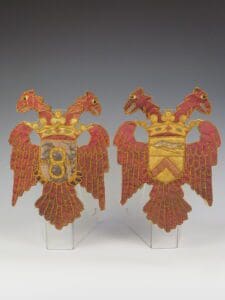
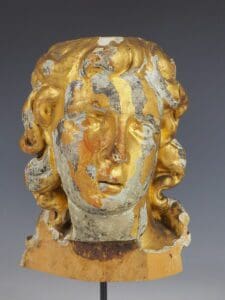
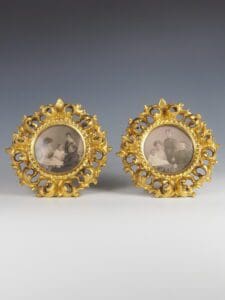




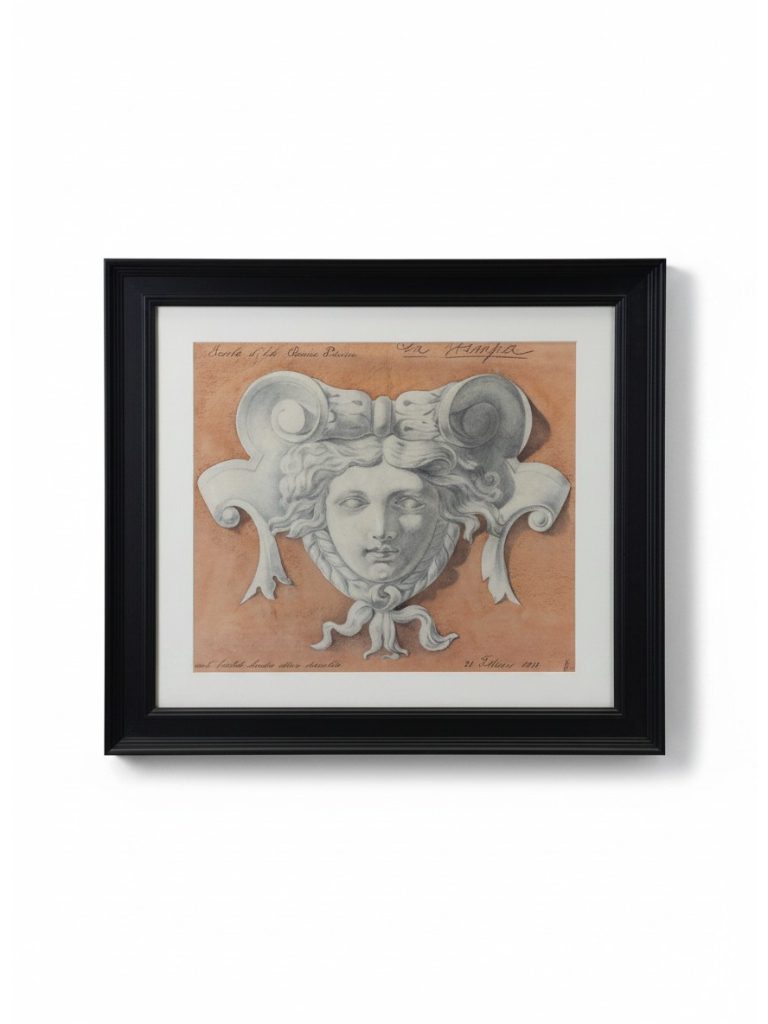
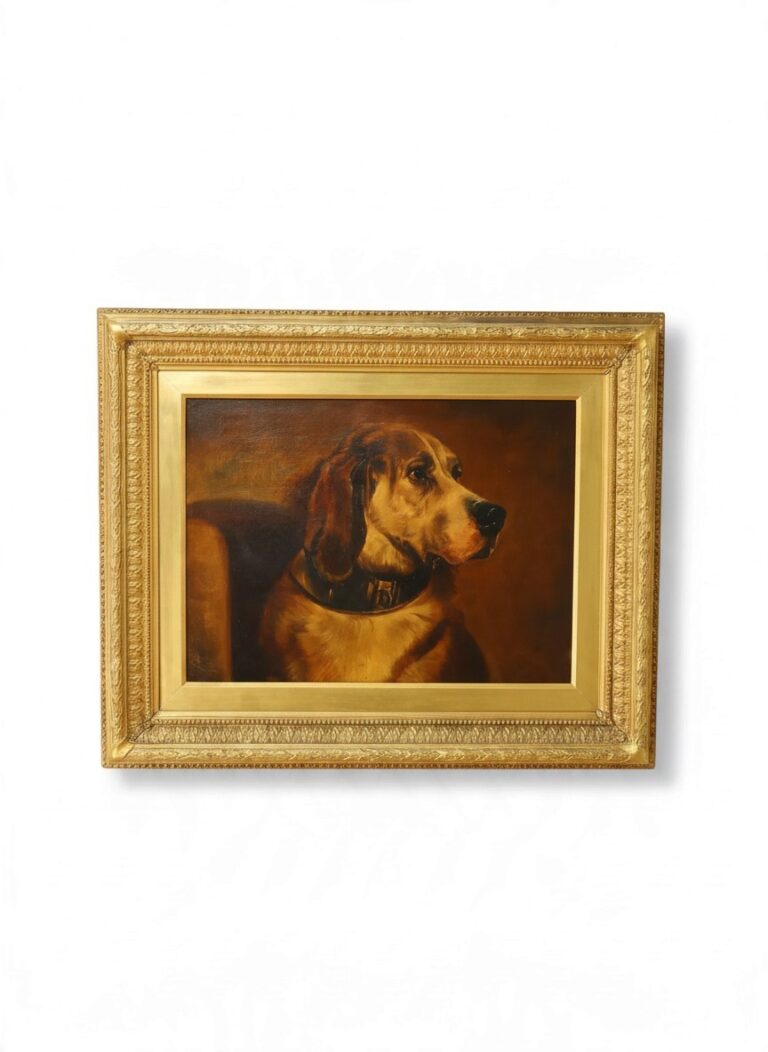
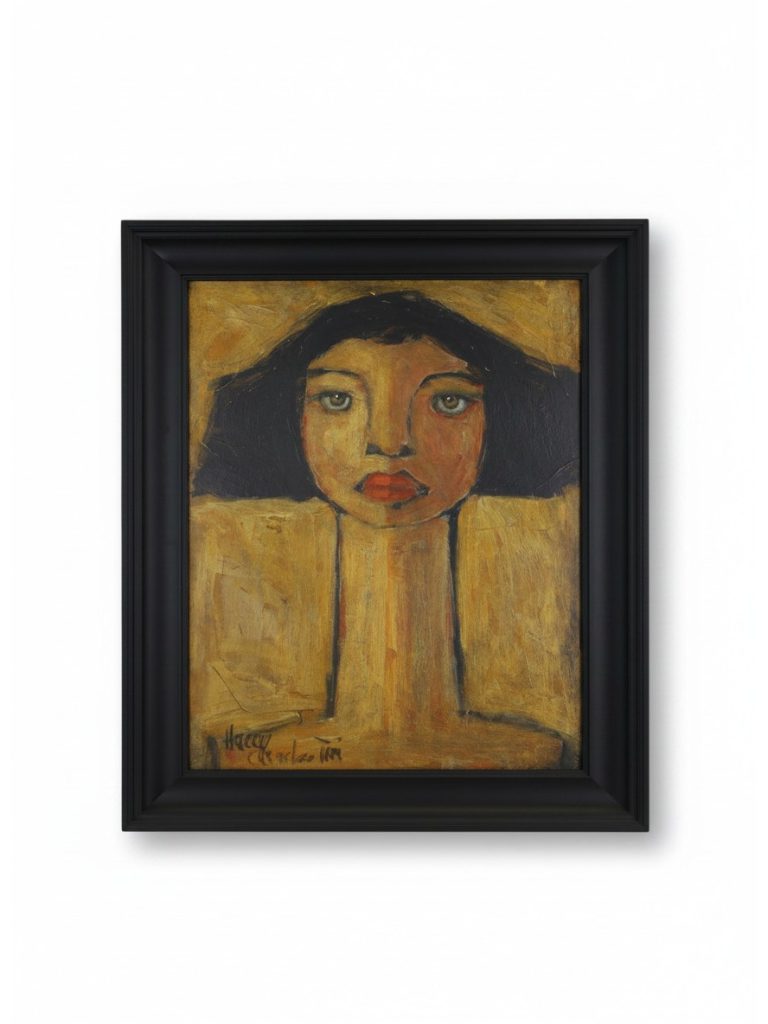



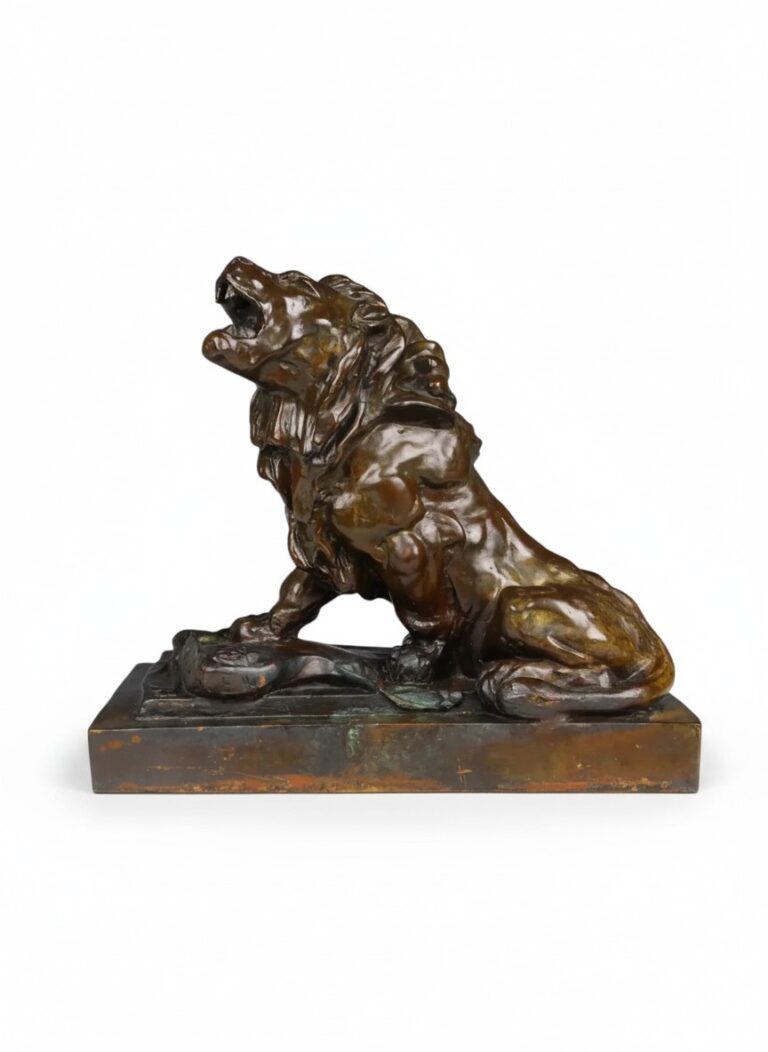
Decorative collecting is an approach to antiques in which pieces are chosen chiefly for their appearance, character and contribution to a room, rather than for rarity, scholarship or investment. The decorative collector looks at shape, colour, texture, scale and patina, and is often happy to buy a piece with an unknown maker or imperfect condition if it looks right in its setting.
The approach has deep roots in the English country house, where generations of owners mixed furniture, pictures, ceramics, textiles and objects of different periods and origins, producing interiors with layered, lived-in character. In the twentieth century, decorators such as John Fowler and Nancy Lancaster championed this relaxed country-house style, and it remains highly influential. Decorative collectors often combine antique furniture with mirrors, lighting, garden ornament, architectural salvage, sculpture and paintings, and mix them with modern pieces and art. Typical favourites include painted furniture, faded textiles, weathered garden stone, and objects with interesting forms or surfaces. Good decorative buying still requires a careful eye, as quality of design, honest condition and a sense of proportion distinguish a fine decorative piece from simple ornament. The approach is particularly popular with interior designers and with homeowners who want rooms that feel personal, comfortable and collected over time.