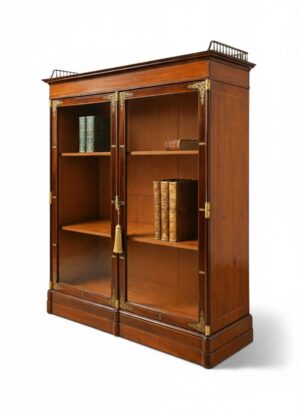
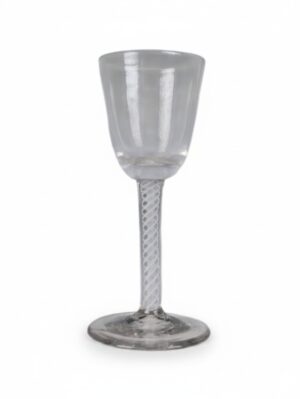
Display furniture is the broad term for pieces designed primarily to show off objects, collections or decorative wares, rather than to hide them away. The category includes china cabinets, vitrines, glazed bookcases, breakfront display cabinets, corner cupboards with glazed doors, étagères, whatnots, open shelves, dressers with plate racks and bijouterie tables.
The desire to display porcelain grew in the late seventeenth century, when Queen Mary II and fashionable households arranged Chinese and Japanese porcelain on tiered shelves and over chimneypieces. Eighteenth-century cabinetmakers produced glazed cabinets with elegant astragal glazing bars, while the Victorians and Edwardians favoured mirrored backs, velvet linings and serpentine or bowfront glass. Display furniture was made in mahogany, walnut, satinwood, rosewood and painted finishes, and the Edwardian period produced many inlaid Sheraton Revival examples. When choosing a piece, consider the quality of glazing, whether the glass is old, the condition of shelves and any interior lighting that may have been added. Display furniture remains essential for arranging collections today, and a well-dressed cabinet can become the focal point of a room.