








Dry oak is oak timber that has been seasoned, either by air drying over a period of years or by kiln drying, to reduce its moisture content before it is worked. Freshly felled oak, known as green oak, contains a high proportion of water, and as it dries it shrinks, splits and twists, so drying it first makes the finished piece far more stable.
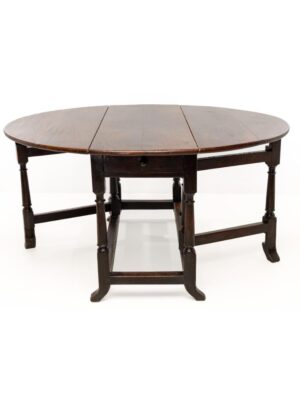
Green oak was often used for building timber frames, since the drying shrinkage tightens the pegged joints, but furniture and panelling required timber that had been carefully dried, traditionally stacked in the open air with spacers between the boards for a period often estimated at a year per inch of thickness. Quarter-sawn oak, cut radially from the log, is especially stable and displays the attractive silver figure, or medullary rays, prized in panelling and fine furniture. Even well-seasoned timber continues to move a little with changes in humidity, which is why antique oak panels were set loosely in their frames. Collectors examining antique oak may see shrinkage across the grain, small splits and slightly oval turnings, which are natural signs of age. Antique oak furniture should be kept away from radiators and very dry central heating to avoid cracking.