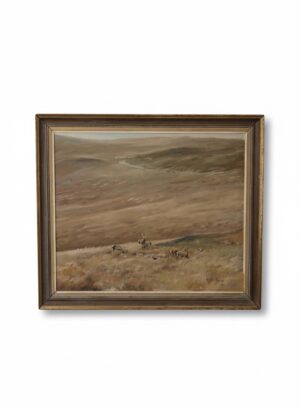







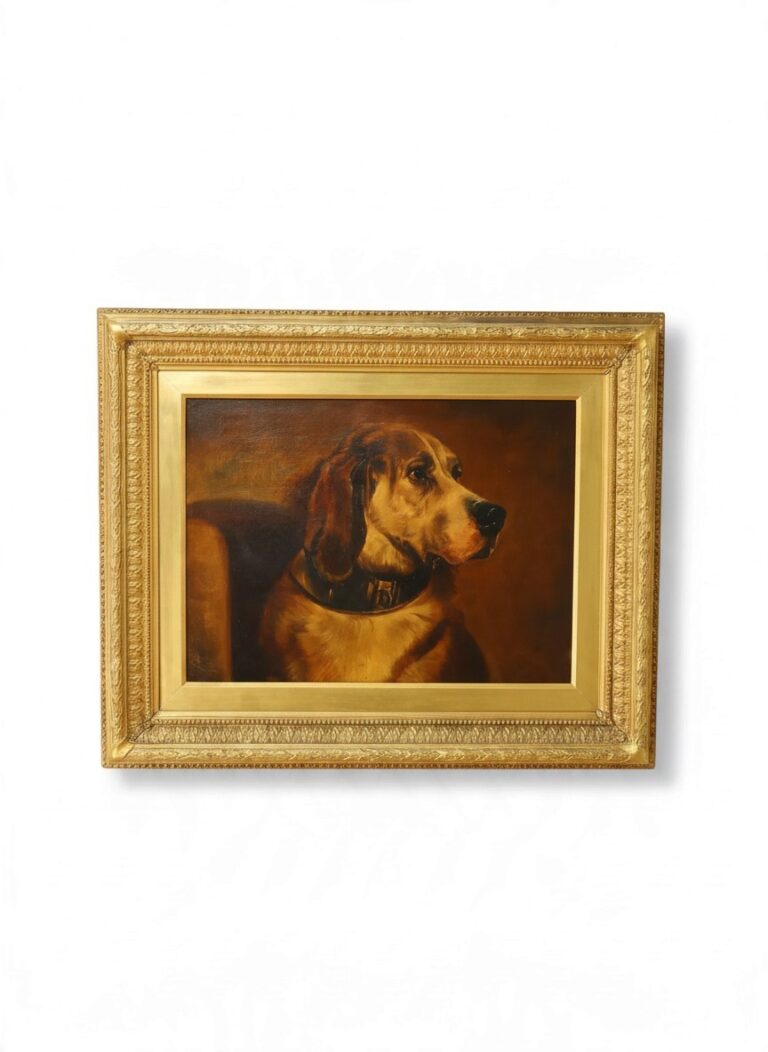



Dutch School painting is the art produced by painters working in the northern Netherlands, above all during the seventeenth century, the period known as the Dutch Golden Age. Supported by a prosperous merchant society rather than chiefly by church and court, Dutch painters developed specialisms in subjects suited to private houses, including landscapes, seascapes, still lifes, portraits, genre scenes of everyday life, church interiors and townscapes.
The leading figures of the Golden Age include Rembrandt van Rijn, Johannes Vermeer and Frans Hals, along with many specialists such as Jacob van Ruisdael and Meindert Hobbema for landscape, Jan Steen and Pieter de Hooch for genre scenes, and Willem van de Velde the Elder and Younger for marine painting, who later worked in England. Dutch painting was enormously admired by British collectors in the eighteenth and nineteenth centuries, and influenced British landscape and sporting artists. In auction and dealer catalogues, the phrase Dutch School is used for a work that is in the Dutch manner but cannot be attributed to a named artist, often with a date such as seventeenth century or nineteenth century indicating its period. Collectors weigh quality, condition, attribution and provenance, and should be aware that many later copies and imitations were painted.