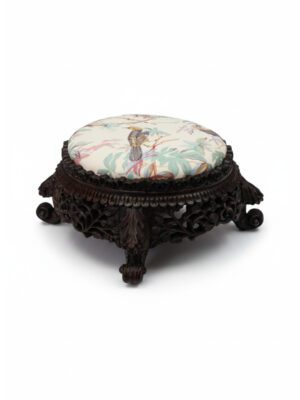
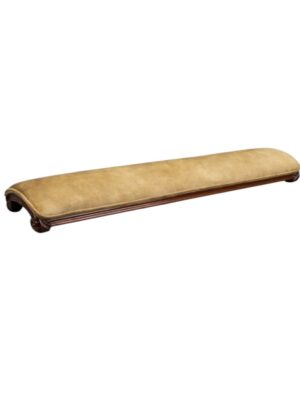
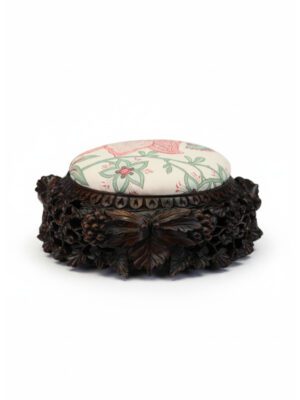
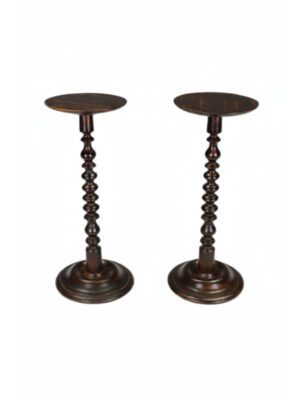
Ecclesiastical furniture is furniture made for churches, chapels, cathedrals and other places of worship, including pews, choir stalls, pulpits, lecterns, altar tables, altar rails, credence tables, prayer desks, bishop's chairs, vestment chests and hymn boards. It is usually made of oak or pine and often features carved Gothic ornament.
Medieval church furniture survives in the form of carved bench ends, misericords and screens, while seventeenth-century parish churches acquired box pews, three-decker pulpits and communion tables. The great age of supply for today's market was the Victorian period, when the Gothic Revival and the Ecclesiological movement prompted the refurnishing of thousands of churches with oak and pitch-pine fittings, often made by specialist firms to designs by architects. As churches have closed, merged or been reordered, large quantities of this furniture have entered the trade. Buyers are attracted to its solid construction, honest patina and architectural character. Practical considerations include size, since pieces were built for large spaces, as well as woodworm, damp damage and later alterations. Pews make useful hall and kitchen seating, while lecterns, chests and chairs add a sculptural quality to domestic interiors.