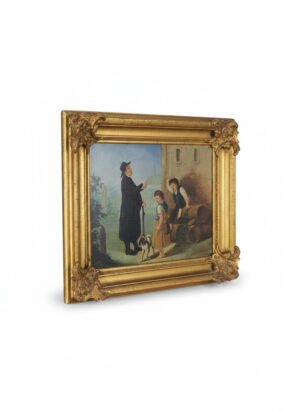
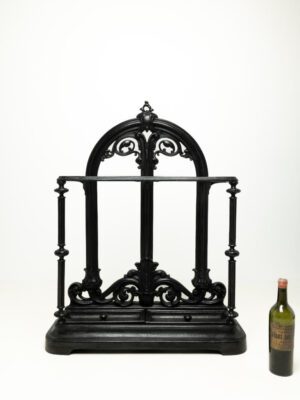
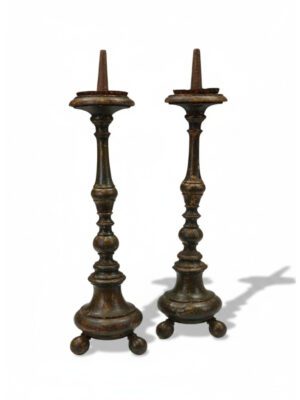
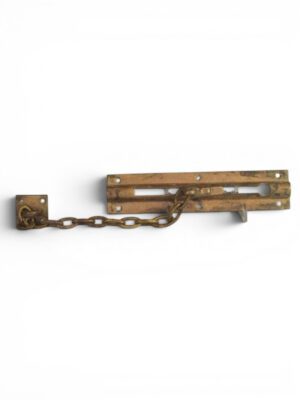
Expert conservation is the care, stabilisation and preservation of historic and antique objects by trained professional conservators, following recognised ethical principles. Its aim is to slow or prevent deterioration while keeping as much of the original material as possible, so that an object's authenticity, evidence of age and historical information are preserved for the future.
Conservation differs from restoration in emphasis. Restoration seeks to return an object to an earlier appearance, sometimes by replacing parts or refinishing surfaces, while conservation favours minimal intervention, reversibility and careful documentation. In practice the two often overlap, and a conservator may carry out some restoration where it is needed for stability or display. Typical work includes cleaning, consolidating flaking paint or veneer, controlling corrosion, repairing breaks with reversible adhesives, and advising on storage, handling, light levels and humidity. Conservators specialise in particular materials, such as paintings, furniture, textiles, ceramics, metals or paper. In Britain, the Institute of Conservation maintains a register of accredited conservators. For collectors, good conservation protects value, whereas poor or heavy-handed restoration can permanently reduce it. A written record of the treatment carried out is valuable for future owners.