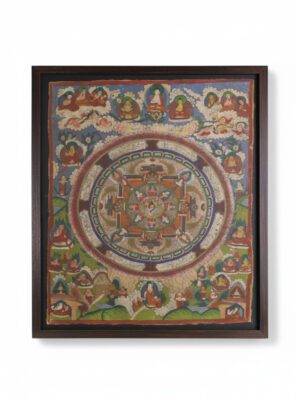
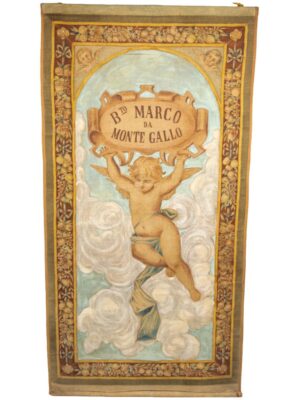
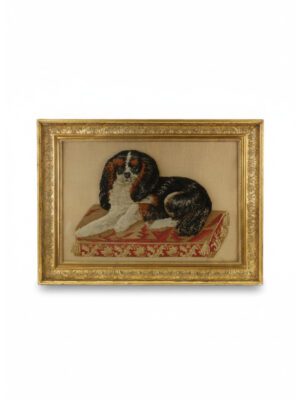
Fine textiles are fabrics and textile objects of exceptional quality, distinguished by the excellence of their fibres, weaving, dyeing, embroidery or printing. The term covers silk damasks, brocades, velvets, tapestries, needlework, fine lace, cashmere shawls, high-quality printed cottons and historic upholstery and furnishing fabrics.
Throughout history, fine textiles were among the most costly goods in a household, often worth more than the furniture they covered. Silks from Lyon, Genoa and Spitalfields, tapestries from Brussels, Gobelins, Beauvais and Mortlake, needle lace from Venice and Brussels, and Kashmir shawls were all prized by European elites. In Britain, country houses retain important collections of state bed hangings, wall hangings, curtains and upholstery, and William Morris and other Arts and Crafts designers revived hand weaving, block printing and natural dyeing in the nineteenth century. Collectors assess fine textiles by the quality of materials and workmanship, the design, the strength of colour and the condition of fibres. Light, humidity, insects and handling are the chief enemies of textiles, so careful display away from sunlight, appropriate mounting and professional conservation are essential for their long-term survival.