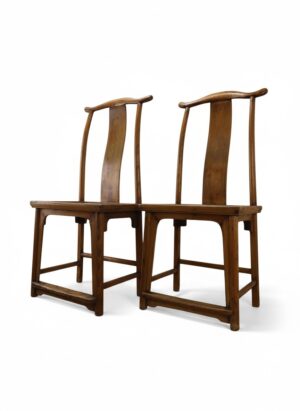
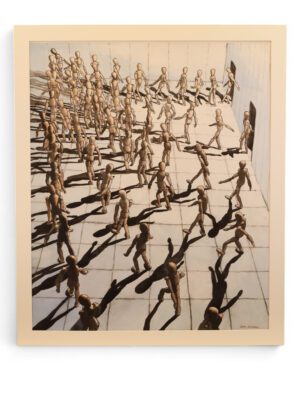
Functionalism is the design principle that the form of a building or object should arise from its purpose, materials and method of construction rather than from applied ornament or historical style. Often summed up in the phrase form follows function, coined by the American architect Louis Sullivan in the 1890s, it favours clean lines, plain surfaces, honest use of materials and efficient, rational planning.
Functionalism became a guiding idea of modern architecture and design in the early twentieth century, shaping the work of the Bauhaus in Germany, Le Corbusier in France and the wider International Style. In Scandinavia the Stockholm Exhibition of 1930 launched a distinctive, humane version known in Sweden as funkis, which fed directly into the Scandinavian Modern furniture of later decades. Typical functionalist pieces include tubular steel chairs, bent plywood seating, simple modular storage and unadorned lighting designed for mass production. Collectors look for identifiable designers and manufacturers, period labels and stamps, and original finishes such as chrome, lacquer and upholstery. Genuine early examples are distinguished from the many later reissues by construction details and wear. In interiors today, functionalist pieces sit well beside antique furniture, their restraint providing a calm counterpoint to carved or decorated surfaces.