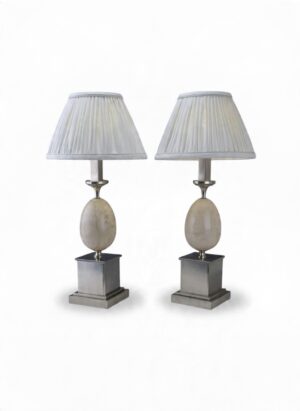
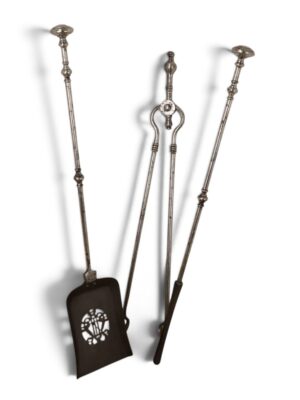
Materials are the substances from which antiques and works of art are made, and understanding them is fundamental to identifying, dating and valuing objects. The main groups include woods such as oak, walnut, mahogany and rosewood; metals such as silver, brass, bronze, copper, iron, pewter and spelter; ceramics including earthenware, stoneware and porcelain; glass; stone and marble; textiles; and natural materials such as ivory, bone, horn, tortoiseshell, mother-of-pearl, leather and shagreen.
The availability of materials shaped design throughout history. Trade routes brought exotic timbers, Chinese porcelain and lacquer to Europe, the Industrial Revolution made cast iron and electroplate affordable, and the twentieth century introduced chromed steel and early plastics such as Bakelite. Each material ages in characteristic ways, developing patina, oxidation, wear or shrinkage that can help distinguish a genuine antique from a reproduction. Some materials, including ivory and certain tropical hardwoods, are now subject to legal restrictions on sale and export, so their identification matters for compliance as well as for value.