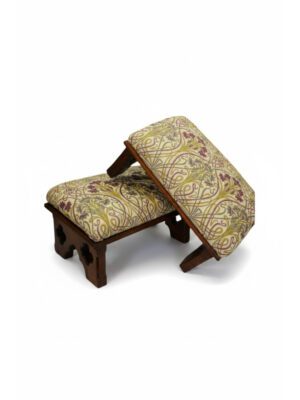
Textile is the broad term for any fabric made by weaving, knitting, felting, knotting or embroidering fibres such as wool, linen, cotton and silk. Within the antiques world, textiles include tapestries, embroidered panels, samplers, needlework pictures, curtains, upholstery fabrics, quilts, lace, shawls, costume and household linen.
Historic textiles are valued both as decorative objects and as records of social history, revealing changing tastes in colour, pattern and technique. Hand-woven and hand-embroidered pieces from the seventeenth to nineteenth centuries are particularly sought after, as are fabrics associated with notable designers such as William Morris. Because fibres are fragile, condition is critical: fading, moth damage, splitting silk and staining all affect value. Antique textiles should be kept away from direct sunlight, stored flat or rolled with acid-free tissue, and cleaned only by a specialist conservator, as inappropriate washing can cause irreversible damage.