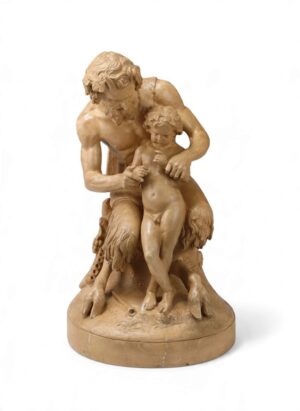
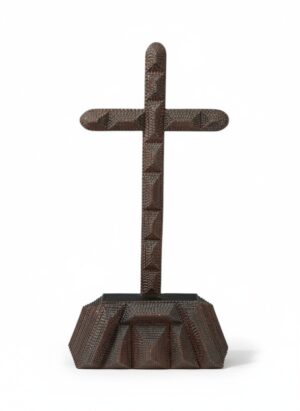
A glazed dome is a cover of clear glass, usually domed or cylindrical with a rounded top, placed over an object on a base to protect it from dust and to show it to advantage. Also known as a glass dome, shade or display globe, it was a familiar feature of Victorian interiors, where it covered clocks, wax flowers, taxidermy, shell work, figures and other treasured objects.
Glass domes became extremely popular in the mid-nineteenth century, when improvements in glassmaking allowed them to be made in large sizes and many shapes, including round, oval and tall cylindrical forms. They were usually set on turned and ebonised wooden bases, sometimes with velvet-covered tops, and they were produced in quantity to accompany the Victorian passion for display and natural history. The original domes are fragile and many have been broken, so an antique arrangement retaining its original glass is particularly desirable. When buying, check for cracks, chips to the lower rim and a good fit on the base. Replacement domes are available, but old glass often shows faint ripples and a softer colour. Today glazed domes are used to display collections, botanical specimens and curiosities in both traditional and contemporary interiors.