Graphite is a soft, dark grey form of carbon with a metallic sheen that leaves a mark when rubbed on paper. It is best known as the core of pencils, but in the antiques world it is equally familiar as the base of black lead, the polish traditionally used to blacken and protect cast-iron grates, ranges and stoves.
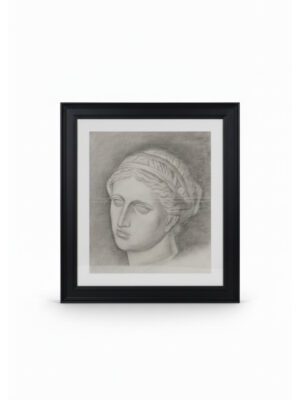
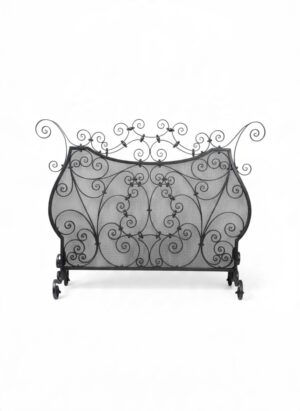
A remarkable deposit of exceptionally pure graphite was discovered at Borrowdale in Cumbria in the sixteenth century, and it supplied the pencil-making industry that grew up around Keswick. Artists have long used graphite for drawing, and fine graphite portrait and architectural drawings are collected in their own right. In Victorian and Edwardian households, black-leading the kitchen range and fire grates was a routine task for servants, producing the deep, lustrous finish now associated with period fireplaces. Graphite-based grate polishes are still used by restorers today to refinish antique cast iron, giving a soft sheen that is more appropriate than paint and helps to resist rust. Before applying it, the ironwork should be cleaned of loose rust and dirt. Graphite is also used as a dry lubricant for locks and mechanisms, where oil would attract dust.