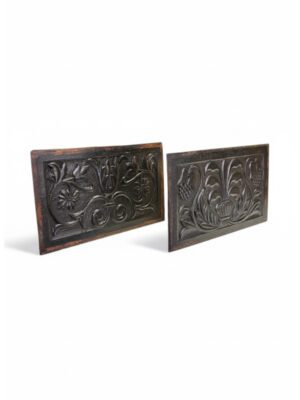
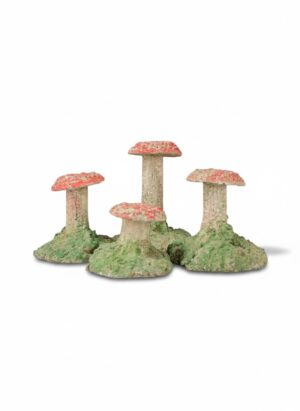
A greenhouse ornament is a decorative or functional object made for use in a greenhouse, conservatory, orangery or plant house, where it furnished the space as well as serving the plants. The term covers plant stands and staging, jardinières and urns, fountains and wall masks, statues, thermometers, watering cans, decorative tiles and ornamental pots.
Orangeries were built on great estates from the late seventeenth century to shelter citrus trees in winter, and were often furnished with classical statuary and tubs. The nineteenth century transformed the field: the repeal of the glass tax in 1845, improved methods of making sheet glass and cheap cast iron made conservatories affordable to the middle classes, while plant-hunting expeditions filled them with ferns, palms and orchids. Foundries such as Coalbrookdale produced tiered cast iron plant stands, fountains and seats, and potteries such as Minton made majolica jardinières and stands in rich glazes. Collectors look for original paint layers on ironwork, unrestored glazes, makers' marks and stable condition, since iron rusts and majolica chips readily in damp settings. Today such pieces are enjoyed both in restored glasshouses and indoors, where a Victorian plant stand or majolica jardinière brings a garden-room atmosphere to a hall or kitchen.