An orangery is a garden building with tall windows, usually on its south-facing side, designed to shelter orange and lemon trees and other tender plants through the winter. The trees were grown in tubs or large pots so that they could be moved outdoors in summer and wheeled back inside before the frosts. Unlike later glasshouses, the orangery normally had a solid or largely solid roof and masonry walls, with light admitted through generous sash or arched windows.
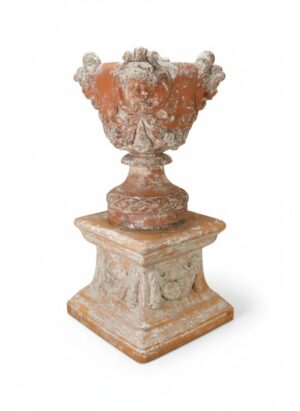
Orangeries were introduced from Italy, France and the Netherlands and became fashionable in Britain in the late seventeenth and eighteenth centuries, when growing citrus was a mark of wealth and horticultural sophistication. Many were handsome classical buildings in their own right, used for entertaining and for display as well as for plants, and notable examples survive at Kensington Palace and at Kew, where the orangery was designed by William Chambers. Heating was provided by stoves, braziers or flues. In the nineteenth century, improvements in glass and cast iron led to fully glazed conservatories and palm houses, which largely superseded the orangery. Today the term is often used for glazed extensions with a solid perimeter roof, and antique tubs, Versailles planters, urns and statuary remain popular for furnishing orangeries and conservatories.