












A house chapel, sometimes called a domestic or private chapel, is a place of worship built within or attached to a country house, manor house, castle or large town residence for the use of the owner's family, household and guests. It may be a separate wing or building, a converted room or a small oratory, and it was usually consecrated or licensed by the church authorities.
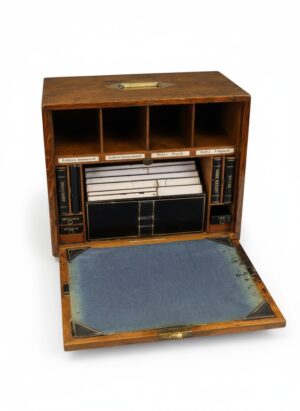
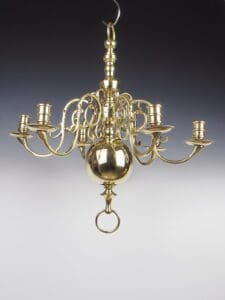
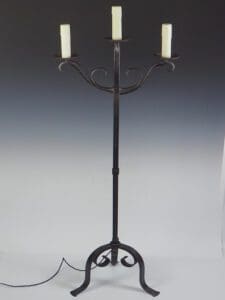
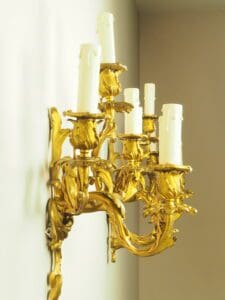
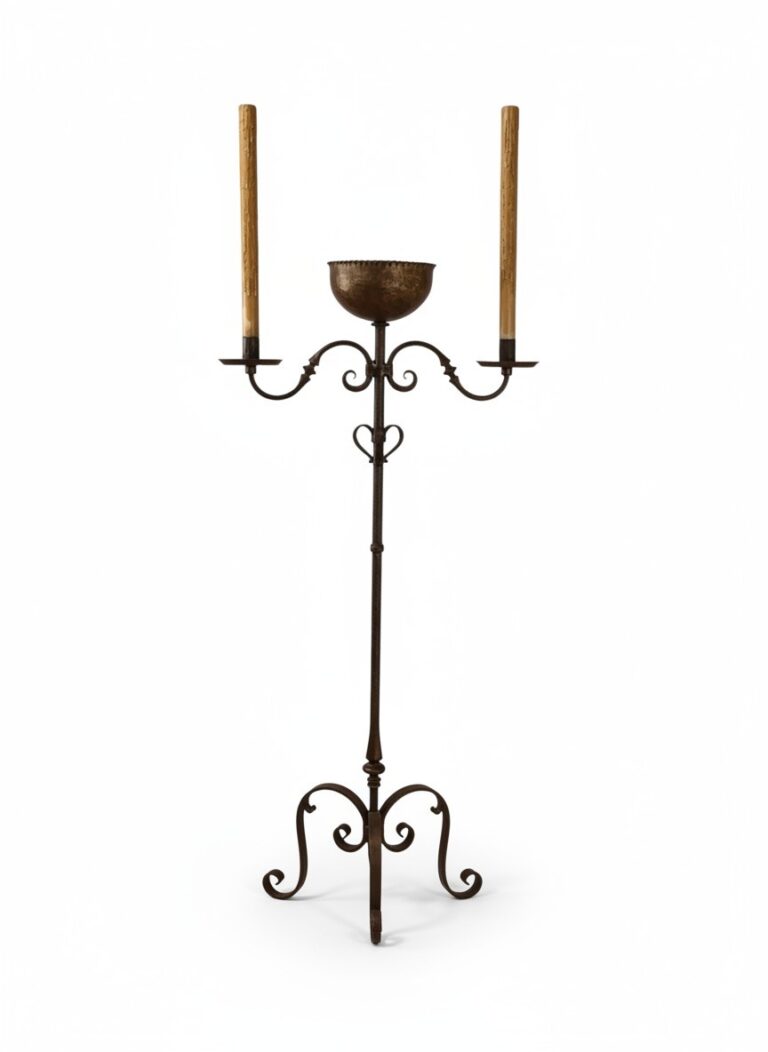
Private chapels were common in medieval great houses and continued to be built after the Reformation, when their furnishing reflected the religious sympathies of the family. In many Protestant houses the family sat in a raised gallery or pew at one end, with servants below, while Catholic recusant families sometimes maintained hidden chapels and priest's hiding places during the periods of persecution. Grand examples contain fine woodwork, plasterwork and stained glass, and the Gothic Revival brought a renewed interest in richly decorated domestic chapels. Typical furnishings include altar tables, communion rails, pews, prayer desks, lecterns, organs, candlesticks and plate, many of which now reach the antiques market as churches and houses change hands. Surviving chapels are valuable records of a house's history and the faith of its occupants, and their furnishings are prized for their quality and character.