








An Oculus is a circular window or opening in a wall or at the apex of a dome, from the Latin word for eye. In its most celebrated form it is the great unglazed opening at the top of the dome of the Pantheon in Rome, which admits a shaft of daylight into the building and remains one of the most famous features of classical architecture.
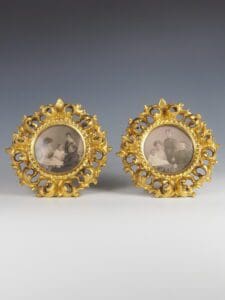
The oculus was taken up by Renaissance and Baroque architects in domes, lanterns, pediments and upper walls, and in French architecture small oval or round windows are often called oeil-de-boeuf, meaning bull's eye. In Britain circular and oval windows became a recurring feature of Palladian and Neoclassical buildings, lighting staircases, attics and garden temples, and painted ceiling ovals were sometimes treated as illusionistic openings to the sky. The motif passed into the decorative arts too, appearing in the broken pediments of bookcases and cabinets, the frames of oval and circular mirrors, the dials of clocks and the panels of doors. Salvaged circular windows, oculus frames and round stained glass panels are sought after today as architectural antiques, and they bring a strong focal point to gardens, conservatories and interiors.