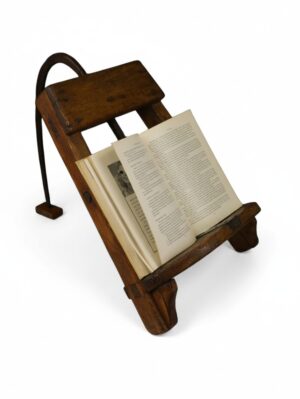
Reclaimed timber is wood salvaged from old buildings, structures and objects for reuse. Common sources include beams and joists from barns, mills, warehouses and houses, floorboards, roof trusses, doors, panelling and church fittings, along with railway sleepers and timber from industrial buildings.
Old timber is valued for qualities that are difficult to obtain in new wood. Much of it was cut from slow-grown, mature trees and has been seasoned over many decades, making it stable and dense, while surfaces carry adze marks, saw marks, nail holes, peg holes and a weathered patina that reflect its history. In Britain, reclaimed oak beams and wide pine and oak floorboards are the most sought after, along with pitch pine from Victorian industrial buildings. Reclaimed timber is used for flooring, beams, kitchen worktops, furniture making and repairs to historic buildings, where it provides an authentic match. Buyers should check carefully for rot, woodworm and hidden metal such as nails and bolts, and should ask whether the timber has been treated. Kiln drying may be needed for indoor use. Furniture made from old timber should not be confused with genuine antique furniture.