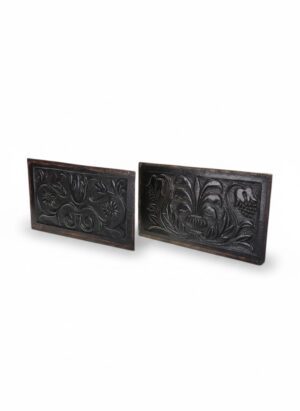
Religious architecture is the design and construction of buildings for worship, devotion and religious community, including churches, cathedrals, chapels, abbeys, monasteries, synagogues, mosques and temples. In Britain the term most often refers to the parish churches, cathedrals and monastic buildings that form the richest continuous record of building history in the country, from Anglo-Saxon and Norman work through the Gothic centuries to Georgian, Victorian and modern places of worship.
Religious buildings have long set the pace for architectural invention, pioneering vaulting, tracery, stained glass and carved stonework, and their forms have been borrowed for domestic use in every Gothic revival. The Victorian period saw a great wave of church building and restoration, led by architects such as A. W. N. Pugin and George Gilbert Scott, and many fittings from that era now reach the market through redundancy and reordering. Pews, lecterns, pulpit panels, altar rails, brass candlesticks, coronas and carved oak screens are typical survivals. Collectors and designers value such pieces for their scale, solid construction and craftsmanship, though provenance and the proper legal disposal of church property should always be confirmed before purchase.