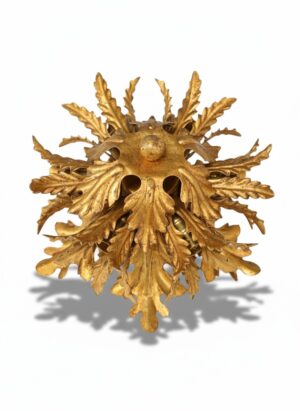
Restoration ethics is the set of principles that guides how antiques and historic objects should be repaired, so that their age, character, authenticity and value are preserved rather than lost. It asks not only whether a repair can be done, but whether it should be done, and how much of the original should be kept.
The main principles are minimal intervention, reversibility, honesty and documentation. Original surfaces, finishes and patina should be retained wherever possible, since stripping and repolishing a piece of Georgian furniture or over-cleaning a bronze can permanently reduce its interest. Materials and methods should ideally be reversible, so that a future restorer can undo the work, which is why traditional animal glues are preferred to modern adhesives in furniture. Replacements, such as new handles or a veneer patch, should be sympathetic but recognisable on close inspection, and they should be recorded and disclosed to any buyer. Museum conservation tends towards stabilisation alone, while trade restoration often aims at a usable, presentable piece, and much of the skill lies in judging where between those positions a given object should sit. A clear record of work carried out protects both the piece and its future owners.