








Tole is decorated metalware, usually tin-plated sheet iron, coated with a hard varnish or japanned ground and then painted, stencilled or gilded. The name comes from the French tôle peinte, painted sheet metal, and the material was valued as a lightweight, durable and comparatively affordable alternative to porcelain, lacquer and gilt bronze.
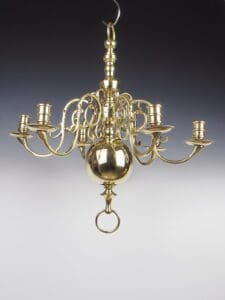
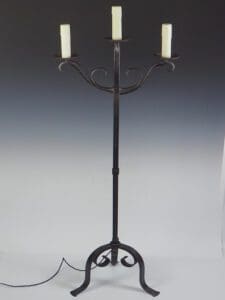
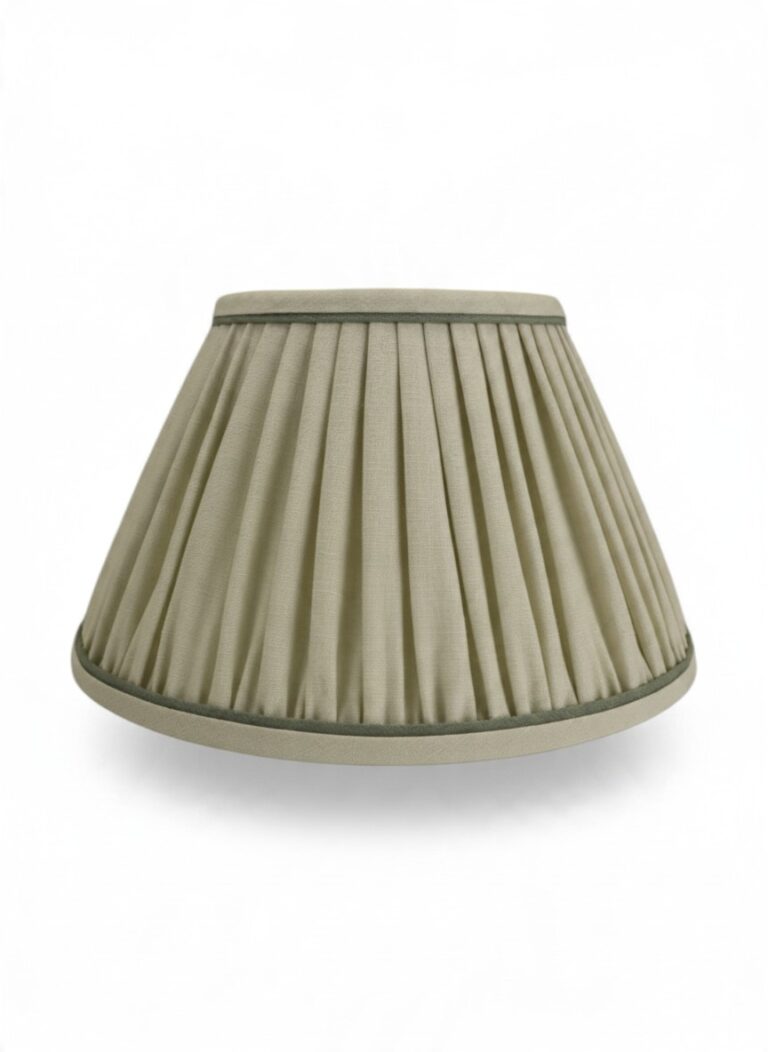
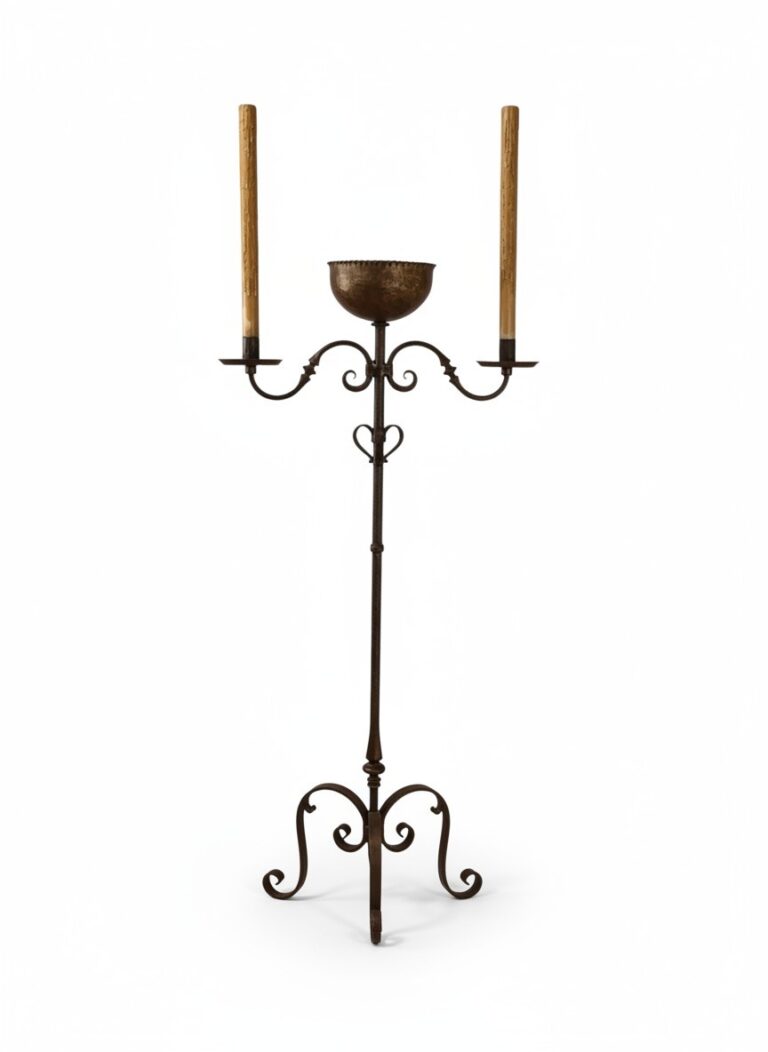
In Britain, japanned metalwork was a speciality of Pontypool and Usk in South Wales from the eighteenth century, and later of large manufacturing centres such as Birmingham and Wolverhampton. French tole was produced in quantity in the late eighteenth and early nineteenth centuries, especially for lighting. Typical forms include trays and tea caddies, chestnut urns, cachepots and planters, coal boxes, candlesticks, chandeliers and the shades of bouillotte lamps. Grounds were commonly black, dark green, red or yellow, decorated with flowers, fruit, chinoiserie, landscapes or gilt borders. Collectors value original painted surfaces, good gilding and crisp decoration, while accepting a degree of wear. Rust, flaking and later overpainting all reduce value, and much tole has been repainted, so careful inspection is wise. Tole lamps and planters remain a favourite of interior decorators, adding colour and a touch of French country-house charm.