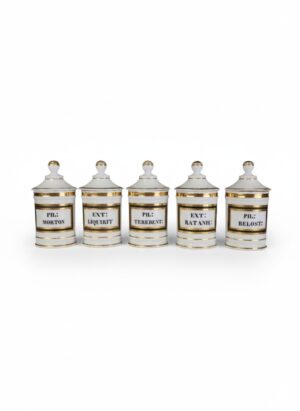
Worcester porcelain is the porcelain made in the city of Worcester from 1751, when a factory was founded by a group of partners including the physician Dr John Wall. Early Worcester was a soft-paste porcelain containing soapstone, which gave it strength and resistance to cracking from hot tea, and the factory later moved to bone china. Its wares are known for fine transfer printing, hand-painted decoration and excellent potting, and Worcester became one of the longest-running porcelain makers in England.
The early decades, often called the Dr Wall or First Period, produced blue and white tea wares, Chinese-inspired designs and overglaze prints after engravers such as Robert Hancock, along with richly coloured wares with scale-blue grounds and exotic birds. Later periods are named after their proprietors, including Flight, Barr and Barr, while the rival Chamberlain factory also worked in the city. The two firms merged in 1840, and the business was reorganised in 1862 as the Worcester Royal Porcelain Company, known as Royal Worcester, which became famous for ivory-coloured wares, fruit painting and signed work by painters such as the Stinton family. Production in Worcester itself ended in the early twenty-first century. Collectors look for marks, period decoration, crisp painting and an absence of cracks or restoration.