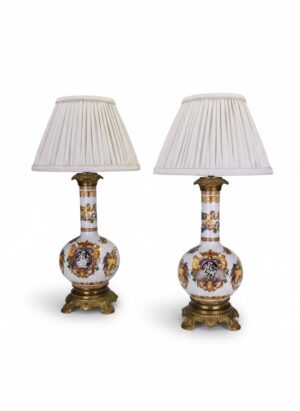
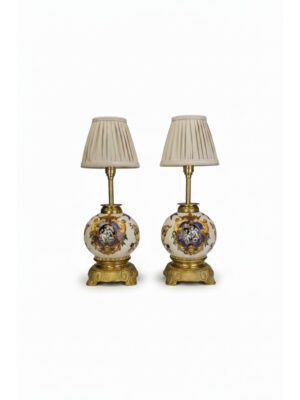
The Renaissance was the great revival of art, architecture, learning and design based on the study of classical antiquity, beginning in Italy in the fourteenth and fifteenth centuries and spreading across Europe during the sixteenth century. In the decorative arts and furniture, the term describes work of this period and its characteristic classical forms and ornament.
Italian cities such as Florence, Venice and Rome led the movement, which produced sculpture, bronzes, maiolica, glass, textiles and furniture of exceptional quality. Renaissance furniture is typically architectural in character, with columns, pilasters, pediments and carved ornament such as grotesques, masks, acanthus, scrolls and putti. Characteristic Italian forms include the carved and gilded cassone, the sgabello chair and the walnut credenza. In France the style flourished under Francis I, and in England it arrived later, often through pattern books from Flanders and Germany, influencing Elizabethan and Jacobean oak furniture with its strapwork and bulbous carved supports. Genuine Renaissance furniture is rare and valuable, and much of what appears on the market dates from the nineteenth-century Renaissance Revival. Collectors examine construction, timber, wear and tool marks closely to distinguish period work from later pieces.