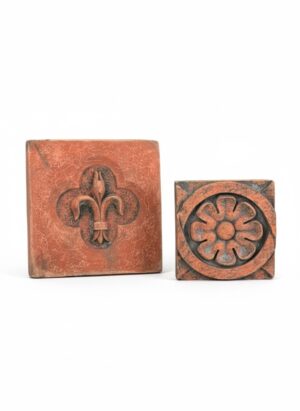
Architectural ornament is the decorative detail applied to buildings, both inside and out, to give them character, emphasis and meaning. It includes carved stone capitals, keystones, corbels, finials and friezes, as well as cast iron railings, terracotta panels, decorative plasterwork, carved timber brackets and moulded cornices.
The vocabulary of ornament has changed with each period. Classical architecture relies on the orders, acanthus leaves, egg-and-dart, dentils and swags, while Gothic architecture uses tracery, crockets, grotesques and pointed arches. The nineteenth century brought great eclecticism, with Victorian architects and manufacturers producing ornament in many historic styles, often in cast or moulded materials such as Coade stone, terracotta and cast iron that allowed repetition at modest cost. Salvaged architectural ornament is now widely collected and reused, both in restoration projects and as freestanding decoration in gardens and interiors. Buyers should consider the material, the quality and crispness of detail, the extent of weathering or damage, and whether a piece retains evidence of its original fixing. Fragments with a known source, such as a named country house or church, have added interest for collectors.