Charles II was King of England, Scotland and Ireland from the Restoration of the monarchy in 1660 until his death in 1685, and his name is used to describe the furniture and decorative arts of that lively period. Returning from exile on the Continent, the king and his court brought back a taste for French and Dutch luxury after the austerity of the Commonwealth years, and the style that followed is often called Carolean.
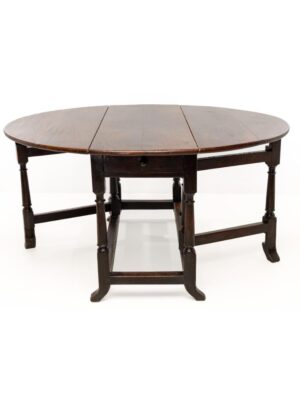
The reign saw a decisive move away from heavy joined oak towards walnut, veneers, floral marquetry and lacquer. Typical pieces include tall-backed chairs with caned seats and backs, carved scrolling crestings and twist-turned uprights, as well as day beds, cabinets on stands, cushion-framed mirrors and the first chests of drawers in a recognisably modern form. Silver was made in quantity, often with embossed tulips and acanthus, and Grinling Gibbons raised decorative limewood carving to new heights. Genuine Charles II furniture is scarce and frequently restored, so collectors look closely at original surfaces, replaced caning and later carving. The style was widely revived in the late nineteenth century, and those Victorian versions are common in the trade.