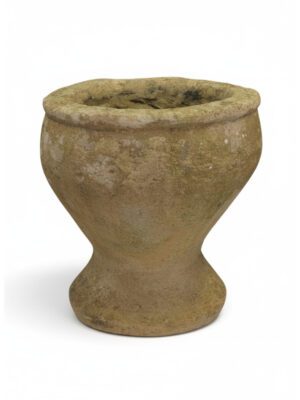
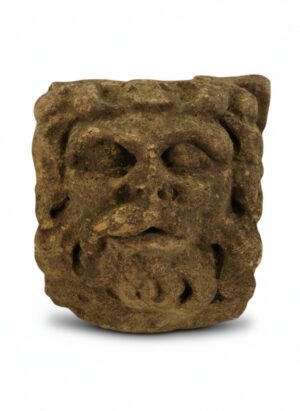
Classical garden ornament is the term for statues, urns, vases, busts, columns, obelisks, fountains and other outdoor decoration inspired by the art and architecture of ancient Greece and Rome. Made in marble, stone, lead, cast iron, terracotta and artificial stone, these pieces give structure and a sense of history to formal gardens, terraces and parkland.
The fashion grew in Britain from the late seventeenth century and flourished in the eighteenth, as Grand Tour travellers returned with antiquities and copies of famous sculpture and laid out landscapes punctuated by temples and statuary. Lead figures were produced in London workshops, and in the later eighteenth century Coade stone, a durable fired ceramic stone made at Lambeth, allowed crisp classical ornament to be produced in quantity. The Victorians added cast iron and composition stone urns on a grand scale. Collectors value a good weathered surface, with lichen and moss, as long as the piece remains sound, and look for crisp modelling, period construction and evidence of age. Frost damage, old repairs and later bases are common, and reconstituted twentieth-century copies should be distinguished from earlier carved or cast work.