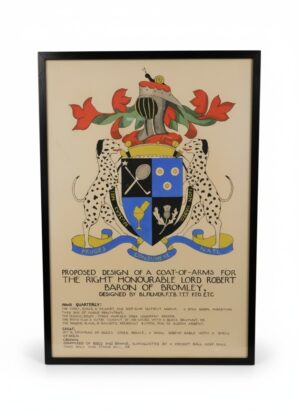
Pastel is a drawing and painting medium made from powdered pigment bound with a small amount of gum or resin and formed into sticks. The term also refers to a work of art executed in this medium, typically on paper, vellum or prepared board, which allows rich, luminous colour and soft blending without the need for drying time.
Pastel became highly fashionable for portraiture in the eighteenth century, led by artists such as Rosalba Carriera in Venice and Maurice Quentin de La Tour in France, while in Britain John Russell and Daniel Gardner were celebrated practitioners. Its popularity revived in the later nineteenth century with the Impressionists, notably Edgar Degas, and with Victorian and Edwardian portraitists. Because pastel sits on the surface as loose powder, it is extremely fragile and easily smudged or dislodged by vibration, so works should always be framed behind glass with a spacer to keep the surface from touching it. Collectors check for flaking, mould, staining and fading, as well as for original frames and inscriptions. Eighteenth-century pastel portraits in carved giltwood frames make an elegant addition to a period drawing room or bedroom.