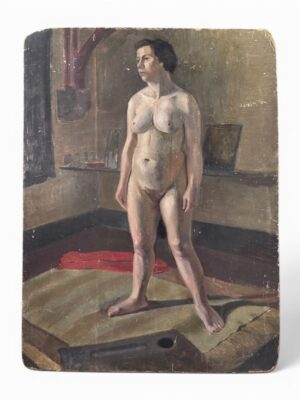
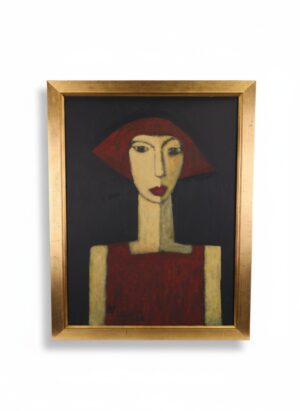
Fine art is the term traditionally used for art created primarily for aesthetic and intellectual value rather than practical use, chiefly painting, sculpture, drawing and printmaking, and sometimes architecture. It is distinguished from the decorative or applied arts, such as furniture, ceramics, metalwork and textiles, though the boundary between the two has always been fluid.
The distinction became formalised in the European academies of the seventeenth and eighteenth centuries, which ranked genres such as history painting above portraiture, landscape and still life. In the antiques trade, fine art covers works from Old Master paintings and drawings to Victorian narrative pictures, sporting art, marine paintings, watercolours, bronzes and twentieth-century works. Value depends on the artist, subject, quality, condition, size, date and provenance, and auction records provide a useful guide to the market. Collectors should look for signatures and inscriptions but bear in mind that these can be added later, and that attribution often depends on expert opinion. Labels, exhibition history and documented ownership all add confidence. In country-house interiors, fine art is often hung densely alongside antique furniture and decorative objects, creating rooms that reflect a long tradition of collecting.