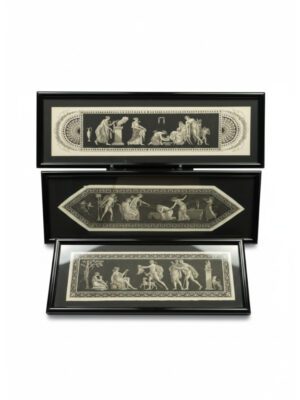
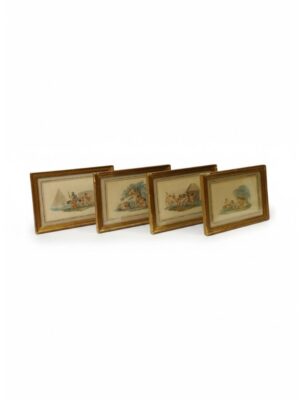
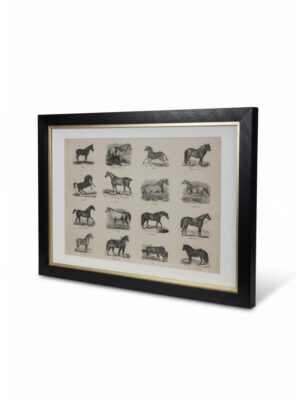
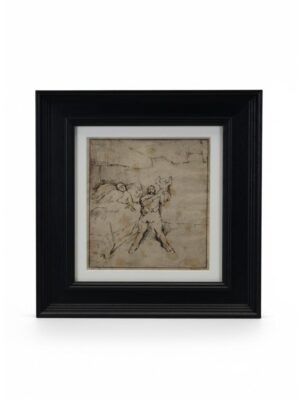
Printmaking is the art of creating images that can be reproduced in multiple impressions by transferring ink from a prepared surface, such as a woodblock, metal plate or stone, onto paper. Each impression made in this way is an original print rather than a photographic reproduction.
The main families of printmaking are relief, intaglio and planographic. In relief methods such as the woodcut and wood engraving, the image stands proud of the block; Thomas Bewick perfected wood engraving in eighteenth-century England. In intaglio methods, including line engraving, etching, drypoint, mezzotint and aquatint, ink is held in lines or textures below the surface of a metal plate and transferred under heavy pressure, often leaving a visible plate mark. Lithography, invented in the 1790s, is planographic, printing from a flat stone treated so that ink adheres only to the image. Major printmakers include Dürer, Rembrandt, Hogarth and Piranesi, while botanical, sporting and architectural prints are popular with decorators. Collectors consider the quality of the impression, the state of the plate, margins, rarity and condition, as foxing, staining, trimming and fading reduce value. Later restrikes from old plates should be distinguished from contemporary impressions. Framed prints offer an accessible way to furnish walls.