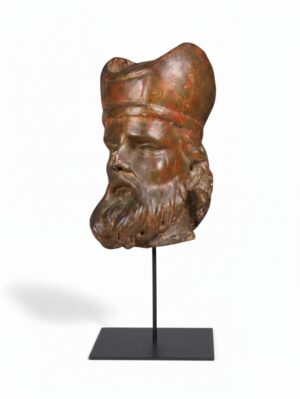
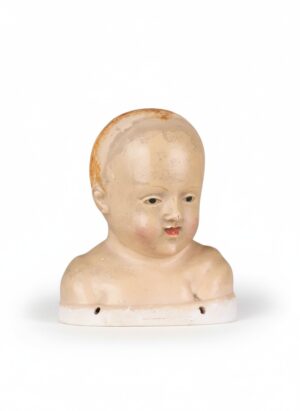
Religious art is art created to express, illustrate or support religious belief and worship. In the European tradition it includes paintings, altarpieces, icons, sculpture, stained glass, illuminated manuscripts, metalwork and textiles made for churches, chapels and private devotion, as well as comparable works from other faiths.
For much of European history the Church was the greatest patron of the arts, and many of the finest medieval, Renaissance and Baroque works depict scenes from the Bible and the lives of the saints. Collectors encounter carved wooden figures of saints, Italian and Spanish paintings, Russian and Greek icons, Flemish triptychs, devotional plaques and Victorian Gothic Revival pieces made for the many churches built in the nineteenth century. Understanding the symbolism and iconography, such as the attributes that identify individual saints, is an important part of appreciating and dating these works. Condition, quality of carving or painting, original polychrome and provenance all affect value, and buyers should be aware that some subjects, particularly icons, have been extensively copied. Religious art also raises questions of legal title, as works removed from churches may require careful documentation before sale.