Symbolism is the use of images, motifs and objects to represent ideas, qualities or beliefs beyond their literal appearance. In the decorative and fine arts it allows ornament to carry meaning: a lion for strength, an oak leaf for endurance, a serpent swallowing its tail for eternity, or a skull and hourglass for the passing of time. The term also names a late nineteenth-century artistic movement.
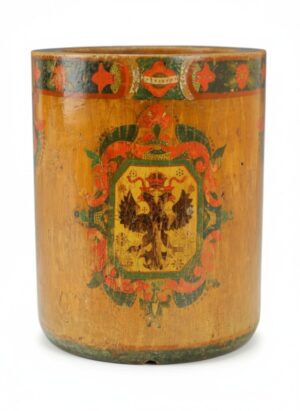
Symbolic ornament has been used throughout the history of antiques. Religious objects and church furnishings employ Christian symbols such as the lamb, the vine and the evangelists' emblems; heraldry uses beasts and devices to denote families; and Neo-classical decoration draws on attributes of the gods, such as the thyrsus of Bacchus or the lyre of Apollo. Flowers carried particular meanings in Victorian art, and still life paintings often contain hidden messages. The Symbolist movement, which flourished in France and Belgium from the 1880s, rejected realism in favour of dreams, myth and mystery, and its leading figures included Gustave Moreau and Odilon Redon. Understanding symbolism helps collectors read the intentions behind a piece and can assist with dating and identifying its original purpose.