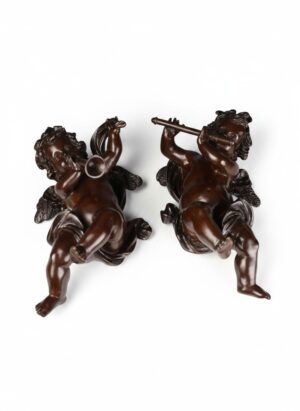
Decorative motifs are the recurring ornamental patterns, figures and devices used to embellish furniture, architecture, metalwork, ceramics, textiles and other works of art. They include plant forms such as acanthus leaves, anthemion, laurel and vines; geometric patterns such as the Greek key, guilloche and fret; and figurative elements such as masks, shells, dolphins, griffins and cherubs.
Many of the most familiar motifs were inherited from ancient Greece and Rome and revived repeatedly, from the Renaissance through the Palladian and Neo-Classical periods to the Regency and beyond. Others are closely tied to particular styles: the C-scroll and rocaille of the Rococo, the strapwork of Elizabethan and Jacobean design, the pagodas and fretwork of Chinoiserie, the lotus and sphinx of Egyptian Revival and the whiplash curves of Art Nouveau. Learning to recognise motifs is one of the most useful skills for anyone dating or attributing an antique, because ornament often reveals the period, the influences at work and the ambitions of the maker. The quality with which a motif is carved, cast or painted, and how well it suits the form, is often a better guide to quality than the motif itself.