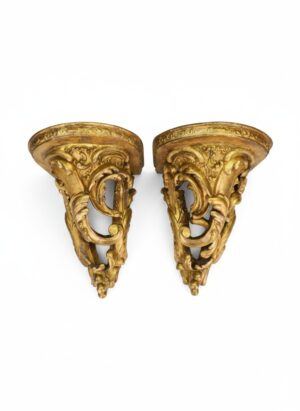
Revival style is the broad term for any design that deliberately recreates or reinterprets the forms and ornament of an earlier historical period. In architecture, furniture and the decorative arts it is particularly associated with the nineteenth century, when designers drew freely on the past to create Gothic, Elizabethan, Rococo, Renaissance and Neoclassical revivals.
The practice is much older, since the Renaissance itself revived classical antiquity, but industrialisation, archaeology and a growing interest in history gave the Victorian period an unusual range of styles. Pugin championed the Gothic Revival, while the Rococo revival flourished in drawing-room furniture and porcelain, and the Edwardians favoured Adam, Chippendale and Sheraton revivals. Revival pieces were often made with great skill but can also exaggerate or mix details, and makers used new techniques such as machine carving and mass-produced veneer. For collectors, it is important to distinguish a revival piece from the original period it imitates, by examining construction, timber, tool marks, hardware and the treatment of ornament. Good revival furniture is now respected in its own right and often offers excellent quality and value compared with original period work.