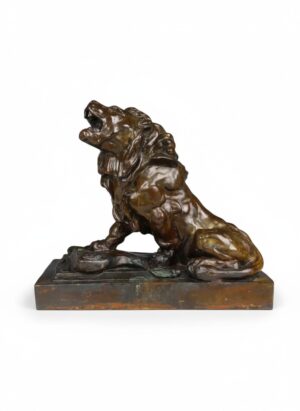
French bronze is the general term for bronze sculpture and decorative bronzework made in France, especially the statuettes, busts, animal figures, candelabra and clock cases produced in large numbers during the nineteenth century. France was the leading centre of artistic bronze casting in Europe, and French foundries set the standard for quality of casting, chasing and patination.
The tradition goes back to the gilt-bronze furniture mounts and ornaments of the Louis XIV to Louis XVI periods, but it reached a commercial peak after about 1830. Mechanical reduction techniques, notably the machine patented by Achille Collas and exploited by the founder Ferdinand Barbedienne, allowed famous sculptures to be reproduced in a range of sizes for middle-class homes. Leading foundries included Barbedienne, Susse Frères and Thiébaut Frères, and the animalier sculptors, led by Antoine-Louis Barye, made animal bronzes hugely popular. Collectors look for crisp casting, fine chasing, an attractive original patina, and signatures and foundry marks, while being wary of later surmoulages cast from finished bronzes, which lose detail. French bronzes should also be distinguished from cheaper spelter versions, which are lighter and reveal a grey metal when scratched.