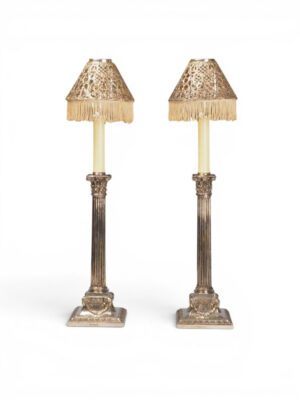
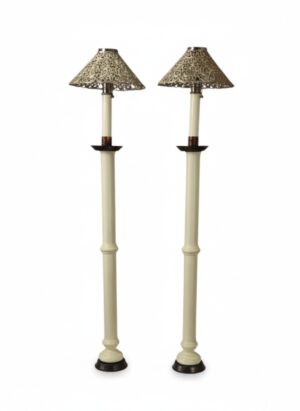
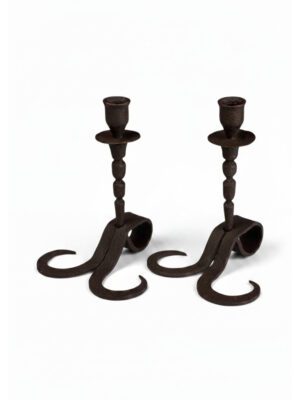
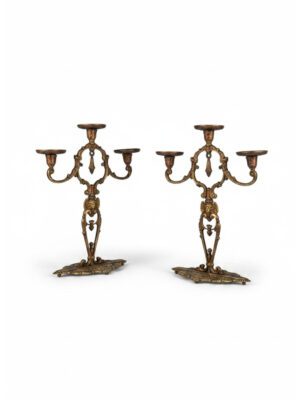
Bronze patination is the coloured surface layer that forms on bronze, either naturally through slow oxidation and exposure to the atmosphere, or deliberately by the founder or patineur applying chemicals and heat after casting. The patina gives bronze its characteristic colour and depth and also helps protect the metal beneath.
Founders developed a wide range of patinas, from warm golden and chocolate browns to deep black, olive and mid-green, and the bright greens that imitate long burial or outdoor weathering. Chemicals such as sulphides and nitrates were brushed or stippled on to heated metal, and the surface was then often waxed. Nineteenth-century French foundries were particularly accomplished, and patination on bronzes of that period was frequently varied across a single figure to pick out flesh, drapery and base. Outdoor bronzes develop a natural green or streaked surface in rain and city air, which is sometimes accepted and sometimes treated as corrosion to be stabilised. For collectors, an original patina is one of the most important factors in value: rubbed highlights on raised areas are a natural sign of age, while a stripped, polished or crudely repatinated surface greatly reduces both interest and price. Bronzes should be dusted and occasionally waxed, never cleaned with metal polish.