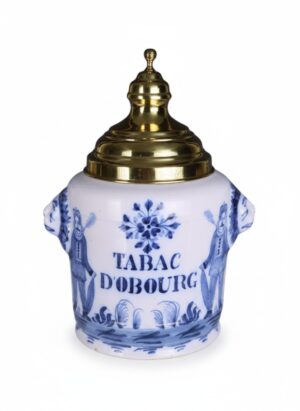
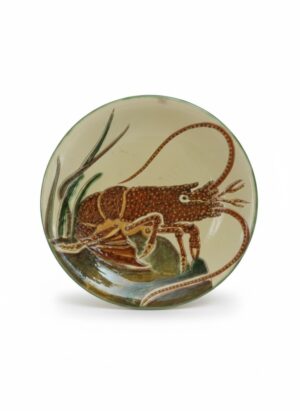
Glazed ceramics are pottery and porcelain wares whose surface has been coated with a glaze, a thin glassy layer fused to the body in the kiln. Glaze makes porous earthenware watertight, protects the surface, gives a smooth finish and provides a ground for colour and decoration.
Glazes are classified by their composition and firing. Lead glazes were used on medieval and later earthenware such as slipware and creamware, while tin glazes produced the white opaque surfaces of maiolica, faience and delftware. Salt glazing, achieved by throwing salt into the hot kiln, gives the orange-peel texture of English and German stoneware, and high-fired feldspathic glazes cover porcelain. Chinese potters developed celadons, copper red and many other glazes of great subtlety, which were admired and copied in Europe. In the nineteenth century, majolica glazes and art pottery glazes, including lustres and flambé effects, offered brilliant colour and texture. Collectors examine glazes for crazing, which can be a natural sign of age, and for wear, chips and signs of restoration such as colour mismatches. The character of a glaze is often one of the most useful clues to the date and origin of a piece.