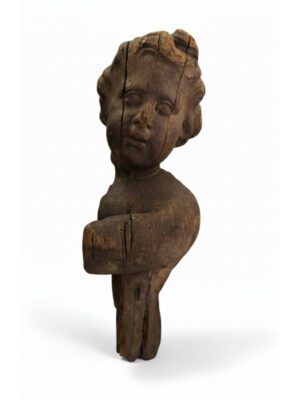
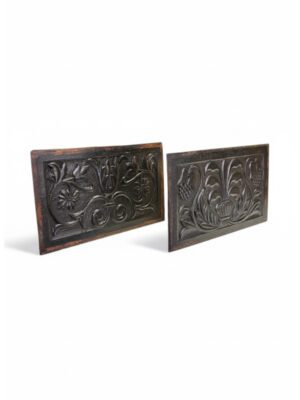
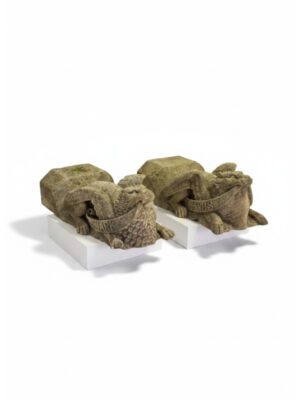
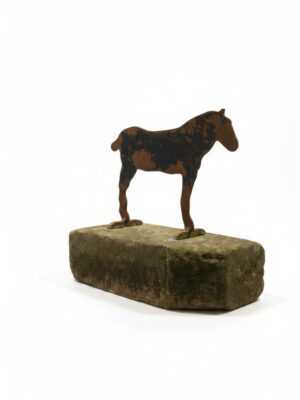
Monumental stone is stone quarried, dressed and carved for monuments and memorials, including headstones, tombs, obelisks, statues, war memorials, commemorative columns and large architectural features. The term also describes the trade of the monumental mason, the craftsman who shapes, letters and erects such works.
Stone chosen for monumental use must be durable, workable and capable of holding fine lettering, so traditional British choices include Portland and Bath limestones, Yorkshire and Forest of Dean sandstones, Welsh and Cumbrian slates, Cornish and Aberdeen granites, and imported white marble from Italy. Georgian churchyards are rich in carved slate and sandstone headstones, while the Victorian period favoured polished granite and marble with elaborate symbolism, such as urns, broken columns, angels and wreaths. After the First World War monumental masons across the country produced thousands of memorials for towns and villages. Within the antiques and garden trade, salvaged monumental stonework appears as plinths, urns, obelisks, finials and architectural fragments, valued for weathered surfaces and skilled carving. Pieces that formed part of graves or listed memorials should only be acquired with clear and lawful provenance. Handsome fragments of dressed stone give structure and a sense of history to a garden or courtyard.