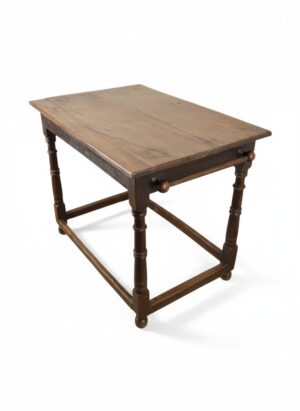
Neoclassical furniture is furniture designed in the Neoclassical style that swept Europe and America from around the 1760s, inspired by the art and architecture of ancient Greece and Rome. It replaced the curving, asymmetrical ornament of the Rococo with straight lines, symmetry, restrained proportions and classical motifs such as urns, paterae, husks, swags, rams' heads and fluted columns.
The style owed much to the excavations at Herculaneum and Pompeii and to the influence of the Grand Tour. In Britain, the architect Robert Adam designed entire interiors in which furniture echoed the decoration of walls and ceilings, while pattern books by George Hepplewhite and Thomas Sheraton spread elegant designs for chairs, sideboards, commodes and tables, often made in satinwood or mahogany with painted or inlaid decoration. In France, the Louis XVI style brought fluted, tapering legs and gilt-bronze mounts, followed by the Directoire and Empire styles. Sweden developed its own Gustavian variant. Neoclassical influence continued into the Regency and was revived in the late Victorian and Edwardian periods, so dating relies on construction, timber and detail. Collectors look for fine veneers, original surfaces and crisp inlay. The style's clarity and balance suit both classical and contemporary interiors.