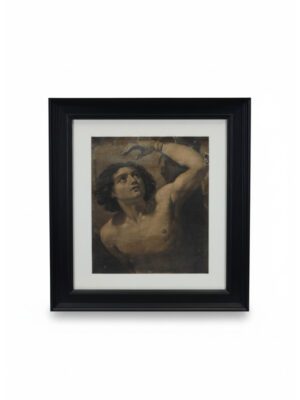
An Old Master is a skilled European painter who worked before about 1800, or a painting by such an artist. The term embraces the great artists of the Renaissance, Baroque and Rococo periods in Italy, the Low Countries, Germany, Spain, France and Britain, from figures such as Titian, Rubens and Rembrandt to the many lesser-known painters and workshops of their time.
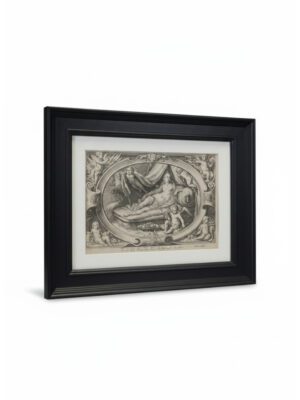
The Old Master market includes religious and mythological subjects, portraits, landscapes, still lifes and genre scenes, as well as drawings and prints, the latter often described as Old Master prints. Because much work was produced by studios and followers, attribution is central to value, and auction houses use careful terms to express degrees of certainty: a work attributed to an artist is thought probably by them, studio or workshop of suggests it was made under their supervision, circle of implies a contemporary associate, follower of or manner of indicates a later imitator, and after signifies a copy. Condition, including relining, overpainting and old restoration, must be assessed carefully, ideally under ultraviolet light. Provenance and documented exhibition history add confidence and interest. Old Master paintings bring depth, gravitas and historic character to country house interiors, libraries and dining rooms.