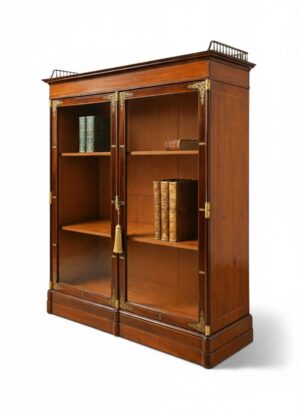
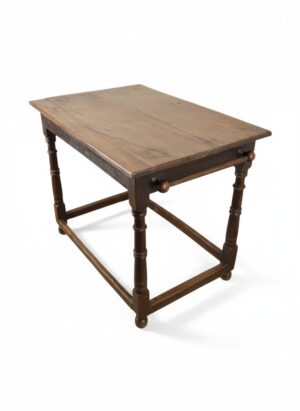
Scandinavian furniture is the furniture of Sweden, Denmark, Norway and Finland, encompassing both the traditional painted country furniture of the region and the modern design movement that made Scandinavia internationally famous in the twentieth century. Its common threads are simplicity, fine craftsmanship, practicality and a feeling for natural materials.
In Sweden, the late eighteenth-century Gustavian style adapted French neoclassicism into restrained, often painted grey or off-white furniture, much admired today. Rural pieces across the region, such as cupboards, chests and long-case clocks, were frequently decorated with painted flowers or graining. From the 1930s onwards Scandinavian modernism produced a remarkable generation of designers, including Alvar Aalto in Finland, Bruno Mathsson in Sweden, and Hans Wegner, Børge Mogensen, Finn Juhl and Arne Jacobsen in Denmark. Their chairs, sideboards and tables in teak, oak, rosewood and beech, often made by small specialist workshops, became synonymous with post-war good design. Collectors value maker's labels and stamps, original upholstery and finishes, and early production. Licensed reissues and copies are widespread, so provenance matters. Scandinavian pieces blend easily with English antiques in calm, uncluttered interiors.