Scandinavian timber is wood grown in the forests of Norway, Sweden and Finland and, in the trade, often including timber shipped from the Baltic region. It consists mainly of Scots pine and Norway spruce, together with birch, and has been imported into Britain in large quantities since at least the seventeenth century for building, joinery and furniture.
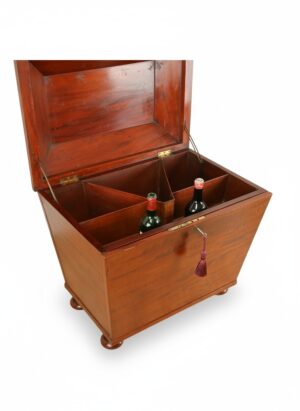
Slow growth in the cold northern climate gives Scandinavian pine a close, even grain and good stability, qualities that made it the favoured softwood, or deal, for floorboards, roof timbers, panelling, doors, sash windows and the carcasses of veneered furniture. Much English country furniture, including dressers, chests and kitchen tables, was made from imported pine, often originally painted or grained rather than left bare. In Scandinavia itself birch and pine were the staple woods of both rural furniture and later modern design, with birch plywood central to the work of Alvar Aalto. Reclaimed old-growth pine from historic buildings is valued for repairs and new joinery because its density and grain are difficult to match in modern plantation timber. When assessing furniture, the presence of deal is a normal feature of British construction rather than a sign of inferior work.