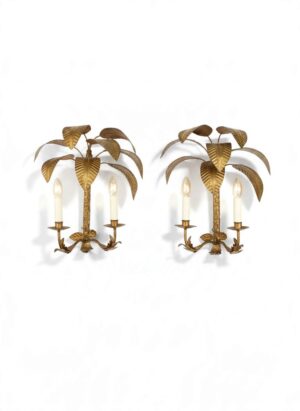
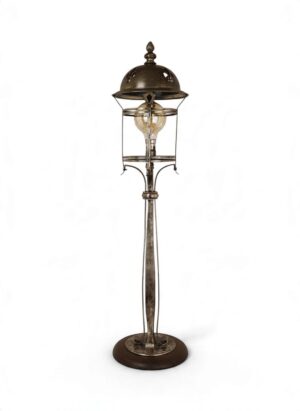
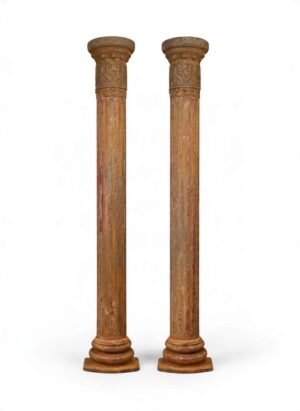
Antique furniture is furniture that is old enough to be considered a historic object, conventionally at least one hundred years old, and valued for its design, craftsmanship, materials and history. The hundred-year rule is widely used by dealers and in customs regulations, though collectors also use terms such as vintage or period to describe more recent pieces and furniture made at the time a style first appeared.
The subject covers an enormous range, from medieval and seventeenth-century oak chests and joint stools to Georgian mahogany, Regency rosewood, Victorian and Edwardian furniture, French provincial armoires and country pieces in elm, ash and pine. Antique furniture was made largely by hand, or with limited machinery, and shows the evidence of that process in saw and plane marks, hand-cut dovetails, pegged joints and slight irregularities that machines do not produce. Collectors judge a piece by its proportions, quality of timber and construction, originality, condition and surface, and they look carefully for replaced parts, later carving, marriages of separate pieces and over-restoration. Good antique furniture has often been in use for generations and, cared for properly, will continue to serve for many more, while bringing individuality and depth to a modern interior.