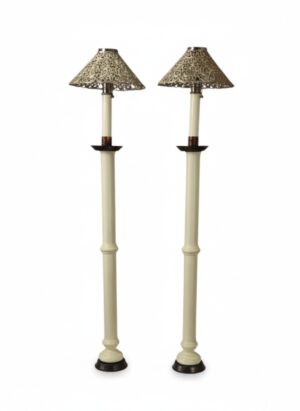
Art Deco silver is silverware made in the Art Deco style that flourished between the end of the First World War and the late 1930s. It is characterised by geometric forms, stepped and faceted shapes, smooth polished surfaces, and the use of contrasting materials such as ivory, ebony, bakelite and coloured stones for handles and finials.
The style took its name from the 1925 Paris Exposition Internationale des Arts Décoratifs, and French silversmiths such as Jean Puiforcat produced some of its most celebrated designs, while Christofle made luxury tableware for ocean liners and grand hotels. In Denmark, the workshops of Georg Jensen offered a softer, more organic modernism. British manufacturers in Birmingham and Sheffield adapted Art Deco ideas for tea services, cocktail shakers, cigarette cases, clocks and dressing-table sets, and designers such as Harold Stabler created distinctive modern pieces. Cocktail culture inspired a wealth of barware. Collectors look for strong, clean design, quality of finish, clear hallmarks and the names of notable designers or firms. Good condition is important, as dents and polishing wear are conspicuous on plain surfaces. Art Deco silver works well in modern and period interiors and remains popular with buyers who enjoy using silver for entertaining.