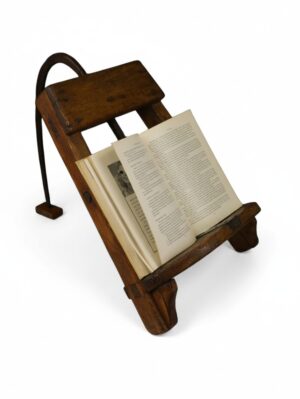
Carpentry is the craft of cutting, shaping and joining timber to make structures and fittings, such as roof trusses, floors, timber frames, partitions, staircases, doors and simple furniture. Traditionally it is distinguished from joinery, which covers finer work made in the workshop, and from cabinetmaking, the specialist skill of making high-quality case furniture.
In Britain, carpenters were organised into guilds from the Middle Ages, and the Worshipful Company of Carpenters in London is among the oldest livery companies. Medieval and Tudor carpenters built the great timber-framed houses, barns and hammerbeam roofs that survive across the country, using oak shaped with axes and adzes and joined with mortise and tenon joints secured by wooden pegs. Carpenter's marks scratched or chiselled into timbers to show how pieces fitted together can still be found in old buildings and help historians understand their construction. Evidence of hand tools, such as adze marks, pit-saw marks and pegged joints, is one of the clues used to date early furniture and woodwork. Traditional carpentry skills remain vital in the repair of historic buildings, where like-for-like replacement in seasoned or green oak is preferred.