The Chelsea Porcelain Factory was one of the first significant porcelain manufactories in England, operating in Chelsea, London, from the mid-1740s until 1769. It produced soft-paste porcelain of high quality and became famous for its figures, tablewares and decorative pieces, which rivalled the products of Meissen and later of Sèvres.
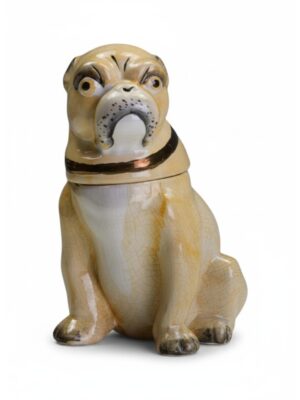
The factory was run for most of its life by Nicholas Sprimont, a silversmith from Liège, and its history is divided by collectors into periods named after the factory marks: the incised triangle period of the 1740s, followed by the raised anchor, red anchor and gold anchor periods. Early wares often imitated silver shapes, while the red anchor period of the 1750s is admired for finely modelled figures, botanical plates painted with plants, and naturalistic tureens in the form of animals, fruit and vegetables. The gold anchor period of the 1760s favoured richer coloured grounds and elaborate gilding in the Sèvres manner. In 1770 the factory was bought by William Duesbury of Derby, and the wares of the following years are known as Chelsea-Derby. Collectors value good modelling, crisp painting and condition, and should be aware that Chelsea marks, especially the anchor, have been widely copied on later Continental porcelain.