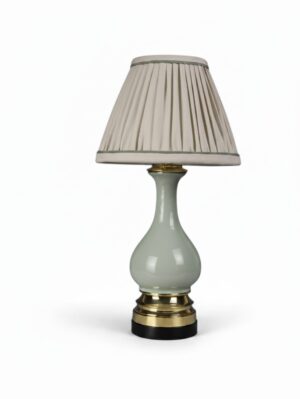
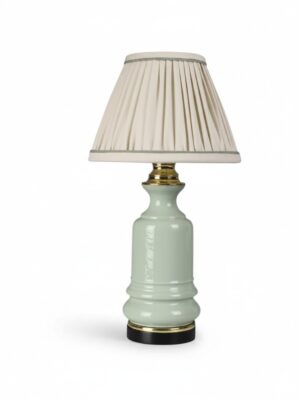
A chimney is the vertical flue and its surrounding structure that carries smoke and gases from a fireplace, stove or furnace up and out of a building. The term covers the internal breast that projects into a room, the flue itself and the stack that rises above the roof, often crowned with clay chimney pots. In lighting, the same word is used for the glass tube that surrounds the flame of an oil lamp.
Enclosed chimneys became common in English houses during the Tudor period, replacing open central hearths, and they quickly became a status symbol. Tudor and Elizabethan builders made a display of tall, ornamental brick stacks with twisted, moulded or diapered shafts, while Georgian architects tended to hide stacks behind parapets for a calmer classical outline. Victorian builders produced a vast range of terracotta pots in decorative forms, now collected as garden planters and architectural salvage. Inside the house the chimney breast dictated the placement of the chimneypiece, which became the focal point of most rooms. Anyone restoring an old chimney should consider lining, sweeping and ventilation, particularly in listed buildings where original fabric must be respected.