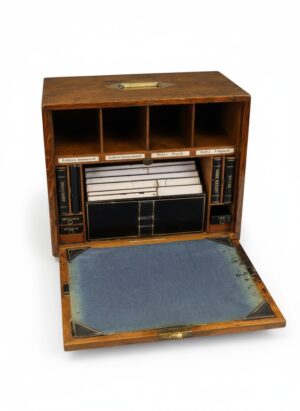
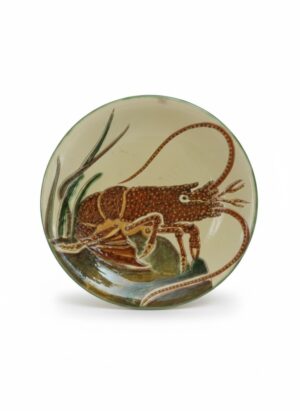
Ephemera is printed or handwritten material that was made for short-term use and was expected to be thrown away, but which has survived and is now collected for its historical, social or artistic interest. The term covers an enormous range of paper items, including trade cards, tickets, posters, playbills, programmes, menus, labels, packaging, advertising leaflets, valentines, greetings cards, postcards and printed invitations.
Because so much was discarded, surviving ephemera is often scarce, and it gives an unusually direct view of everyday life, commerce, entertainment and taste in the past. Eighteenth-century engraved trade cards, for example, record the names, addresses and stock of shopkeepers and craftsmen, and are a valuable source for furniture and silver historians. The nineteenth century brought chromolithography and mass printing, leading to colourful advertising, Christmas cards and scrap albums, while railway, theatre and exhibition material is widely collected. Condition is important: tears, foxing, staining, trimming and fading all reduce interest, and paper should be stored flat in acid-free folders away from light and damp. Framed groups of ephemera, such as old labels, maps or tickets, can bring period character to a study, kitchen or hallway, and the Ephemera Society in Britain promotes study of the subject.